Poštovné zdarma nad 2500 Kč, Osobní odběr v Praze i v Brně

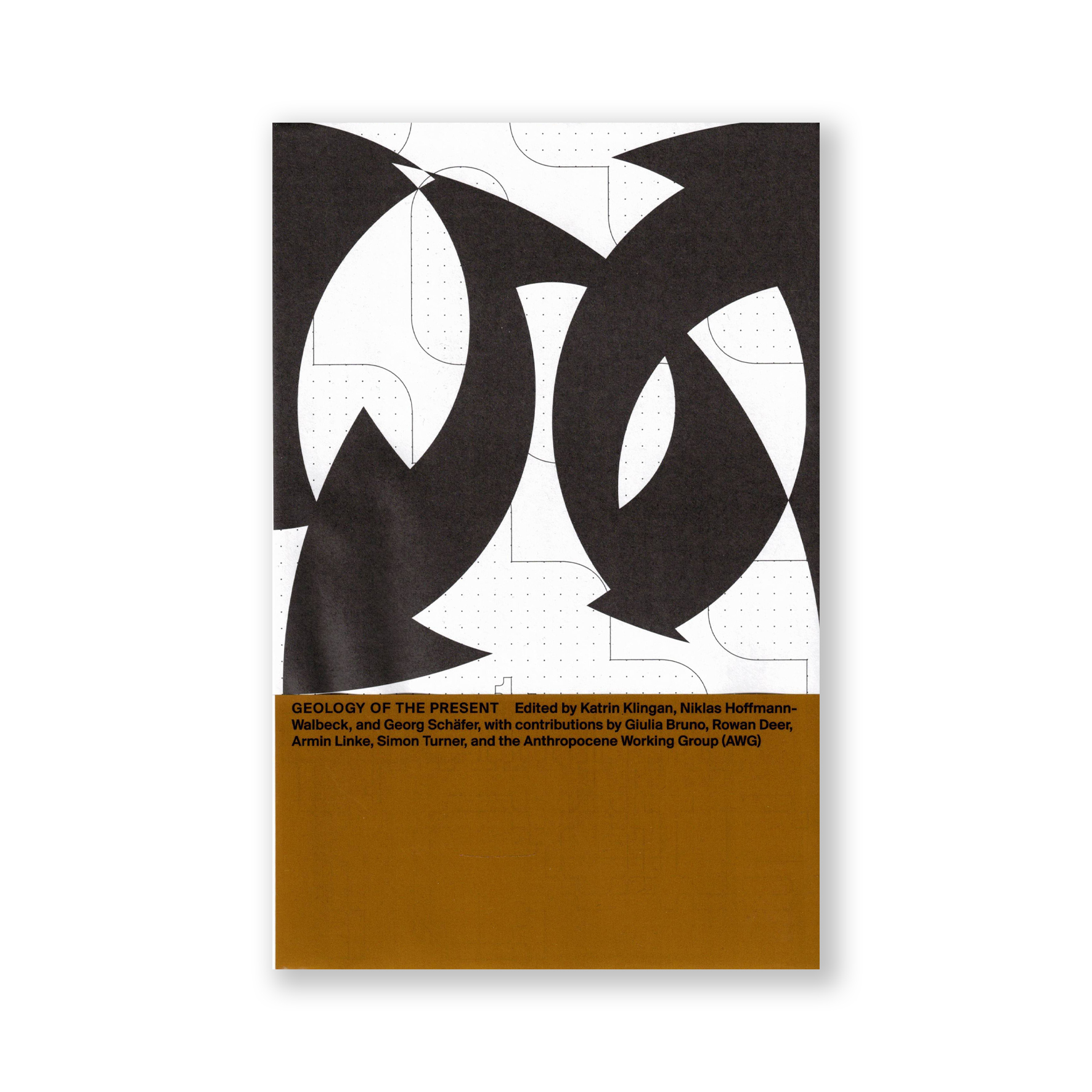
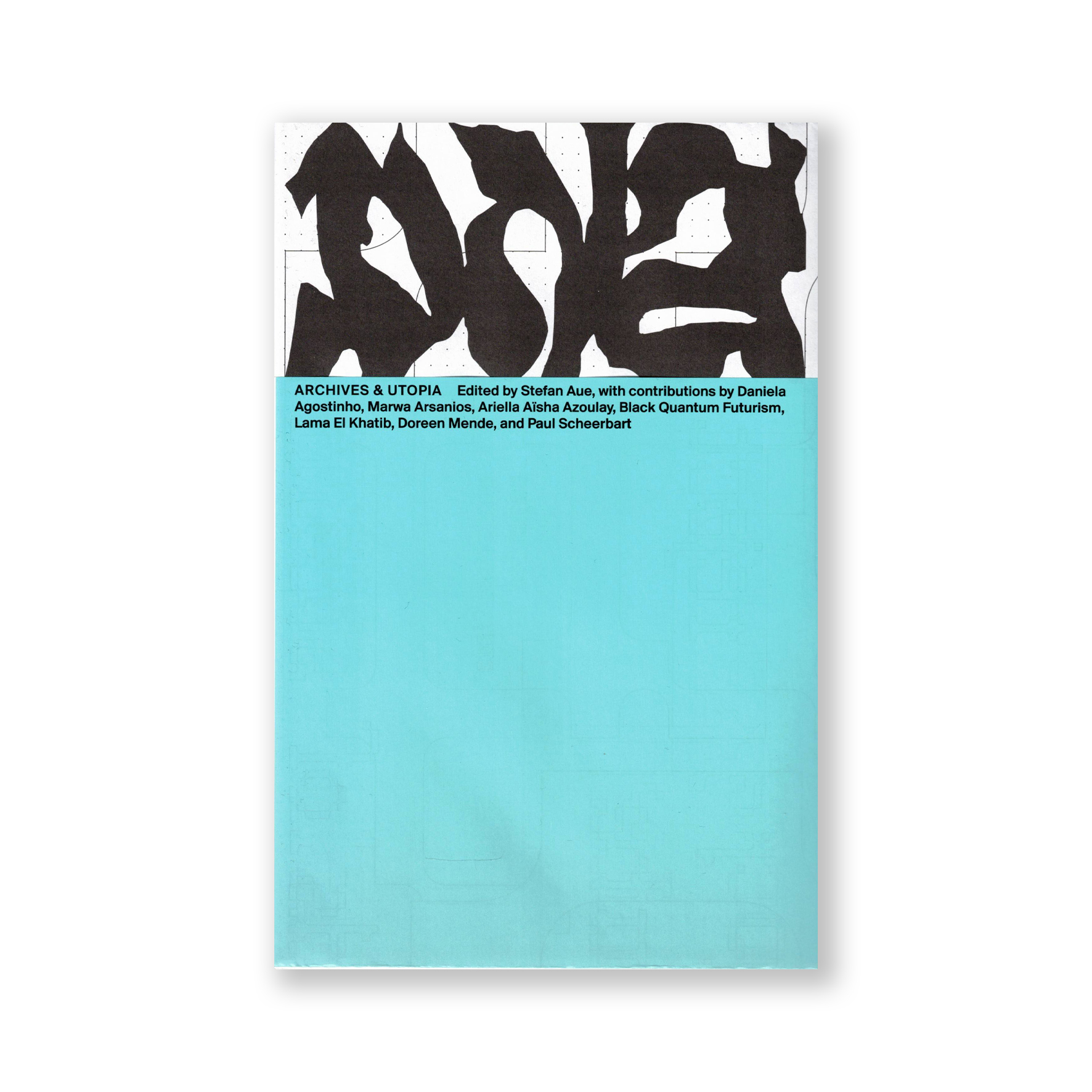
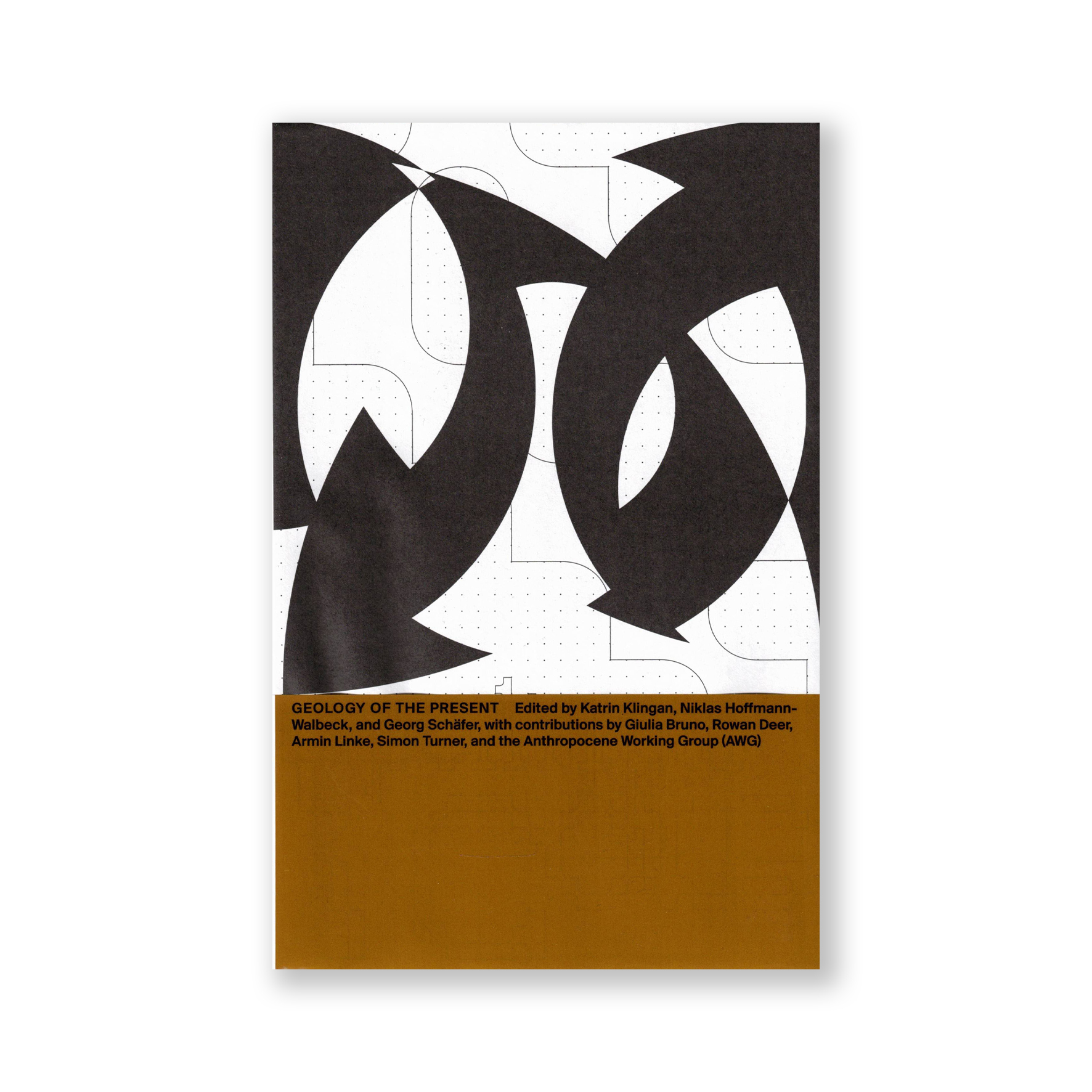
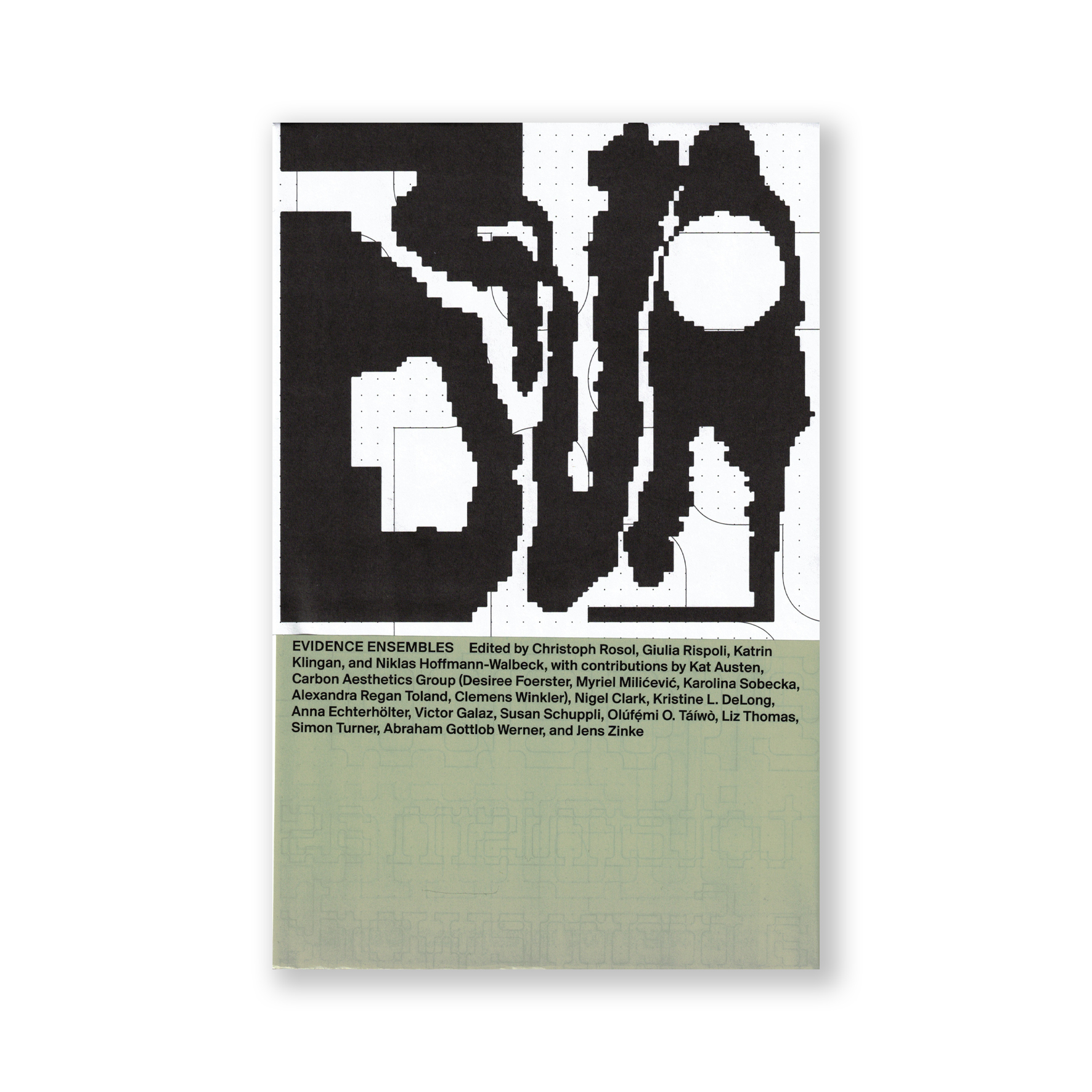
Historie hlubokého času na naší planetě je vymezena stratigrafickými vrstvami Země. Úkol identifikovat, analyzovat a datovat transformační procesy probíhající v zemských systémech spadá do kompetence geologických věd. Přechod z holocénu do antropocénu však mění geologii ve společenskou vědu. Mikroskopické fyzikální, chemické a biologické stopy v sedimentech jsou zřejmými ukazateli poukazujícími na zrychlení a globalizaci hospodářského růstu a ekologické devastace, ke kterým došlo v posledních desetiletích. Tato kniha zkoumá způsoby, jak zpřístupnit archivy antropocénu. Vědci, výzkumníci a umělci se potýkají s konkrétními stratigrafickými materiály a zkoumají příležitosti a výzvy spojené s produkcí planetárních znalostí.
The history of deep time on our planet is delineated by Earth's stratigraphic layers. The task of identifying, analyzing, and dating the transformation processes at work within the Earth's systems falls within the remit of the geological sciences. However, the transition from the Holocene to the Anthropocene is turning geology into a social science. Microscopic physical, chemical, and biological traces in the sediments are glaring indicators pointing to the acceleration and globalization of economic growth and ecological devastation that hase taken place in the last decades. This book examines ways in which the archives of the Anthropocene can be made legible. Scientists, researchers, and artists grapple with concrete stratigraphic materials in an exploration of the opportunities and challenges involved in planetary knowledge production.
s DPH