Poštovné zdarma nad 2500 Kč, Osobní odběr v Praze i v Brně

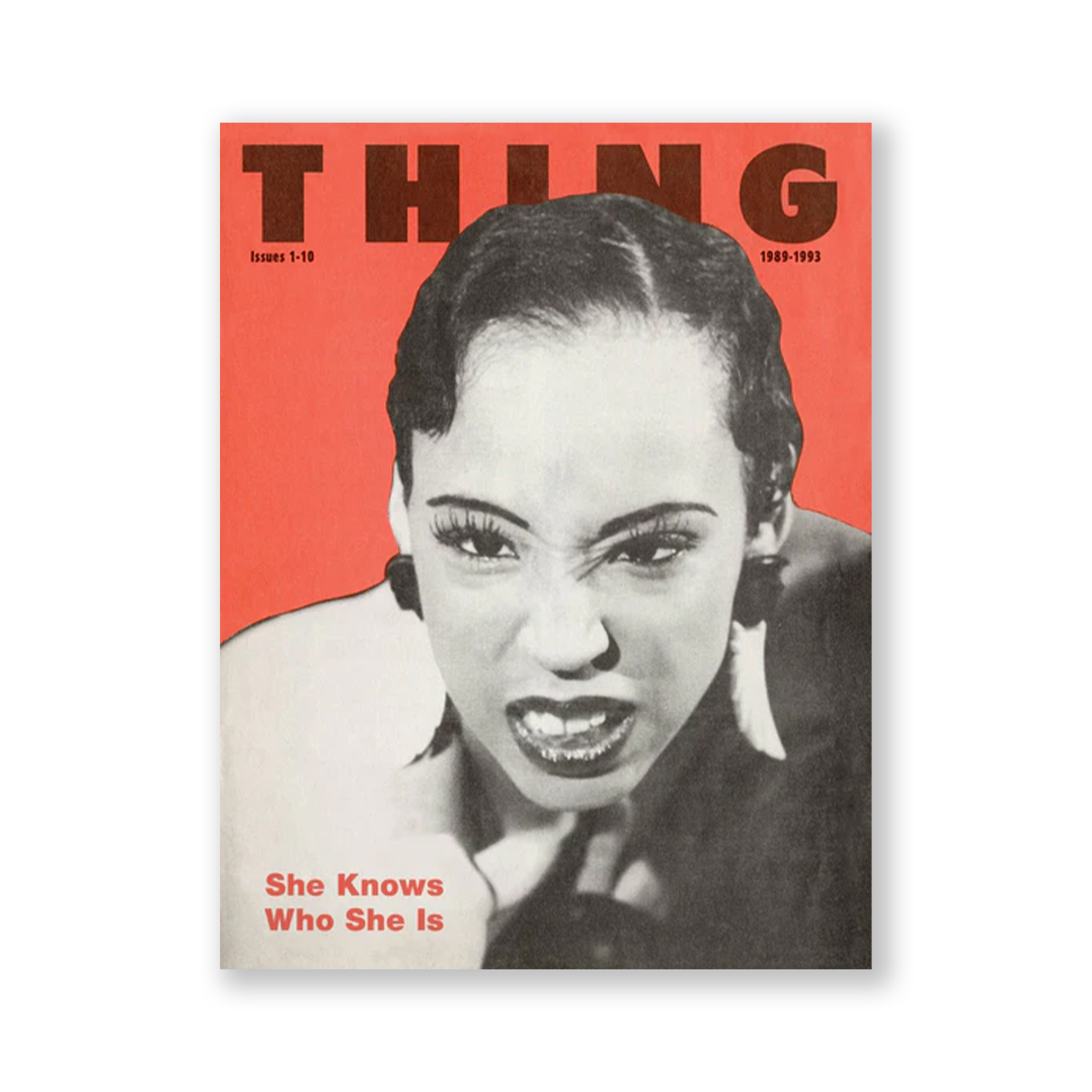
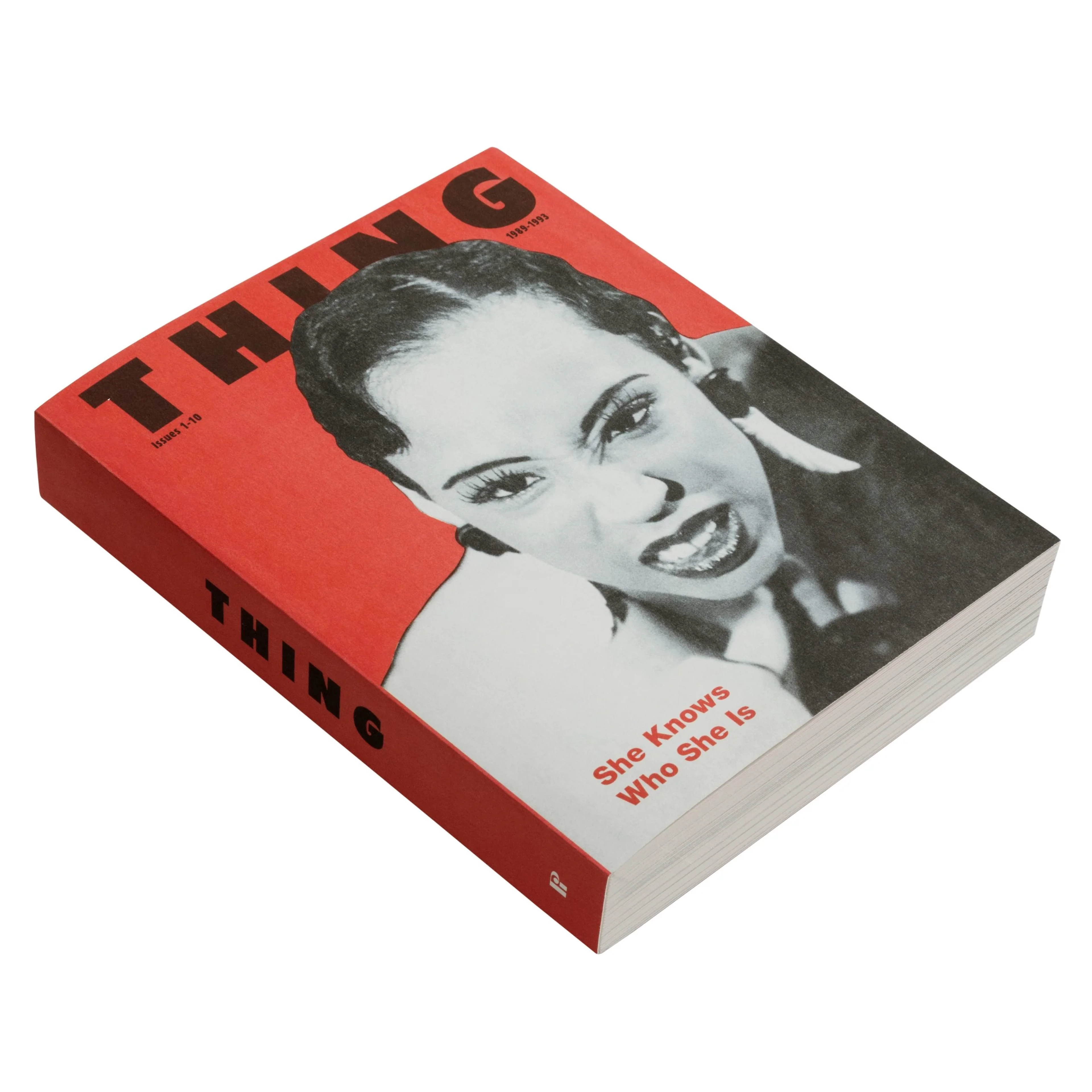
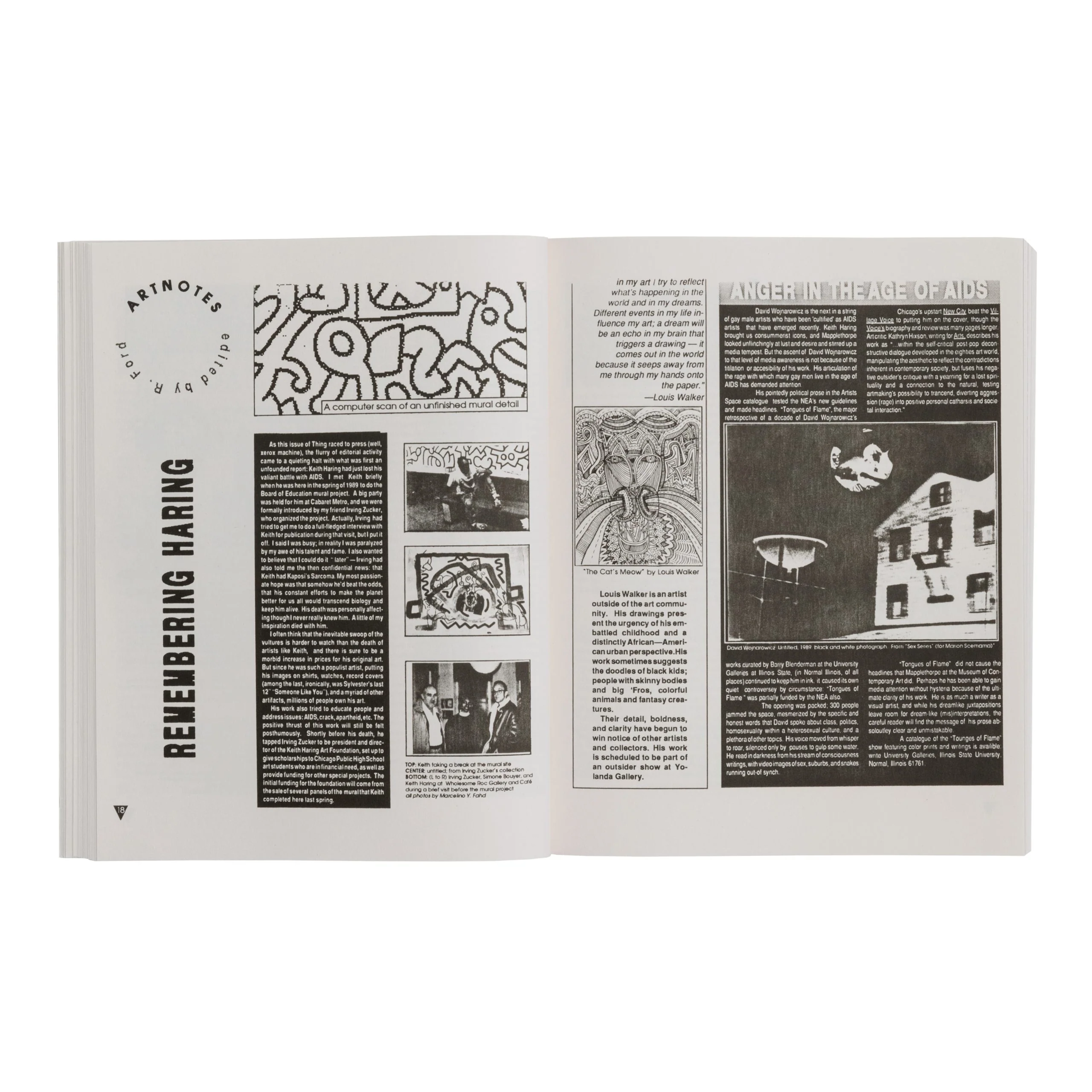
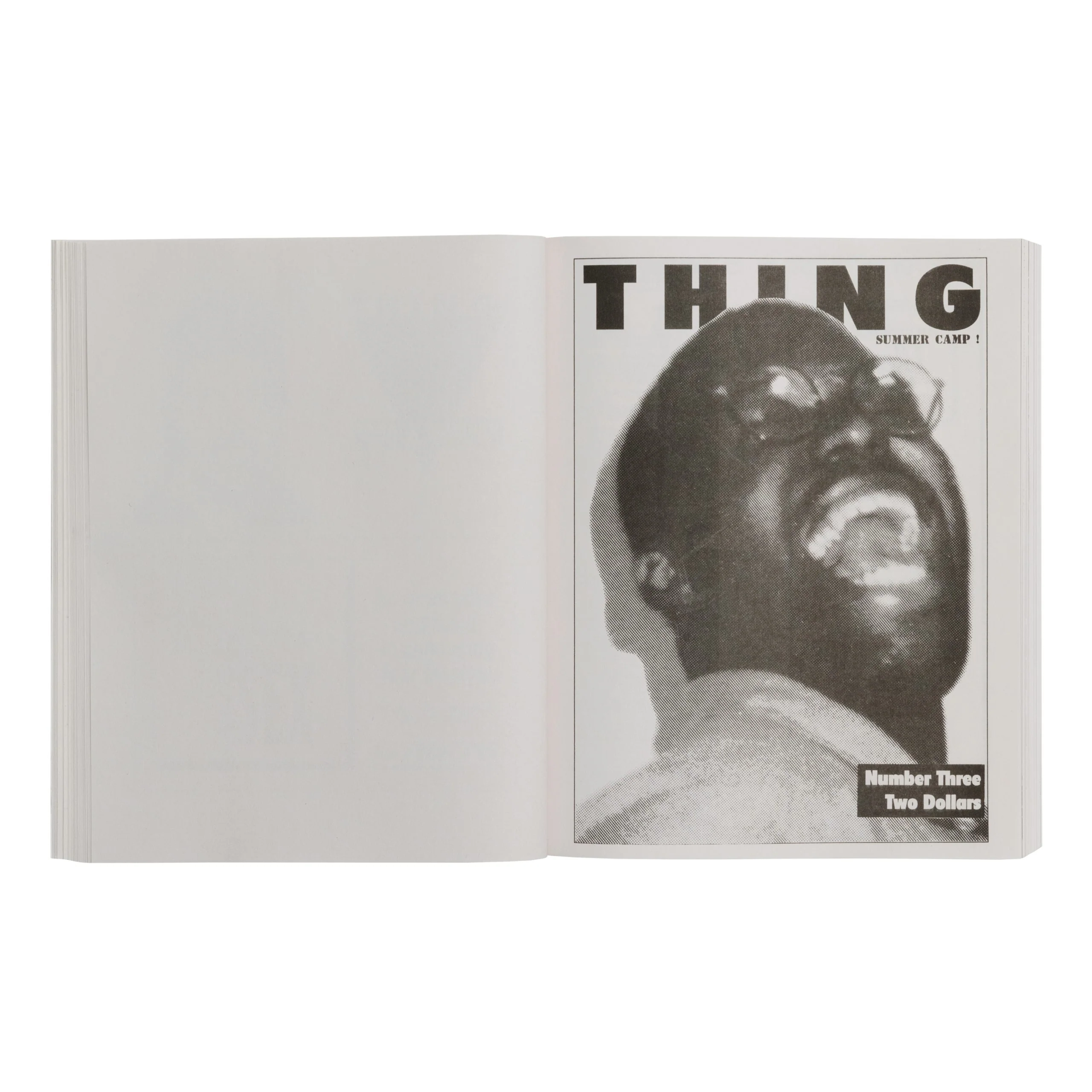
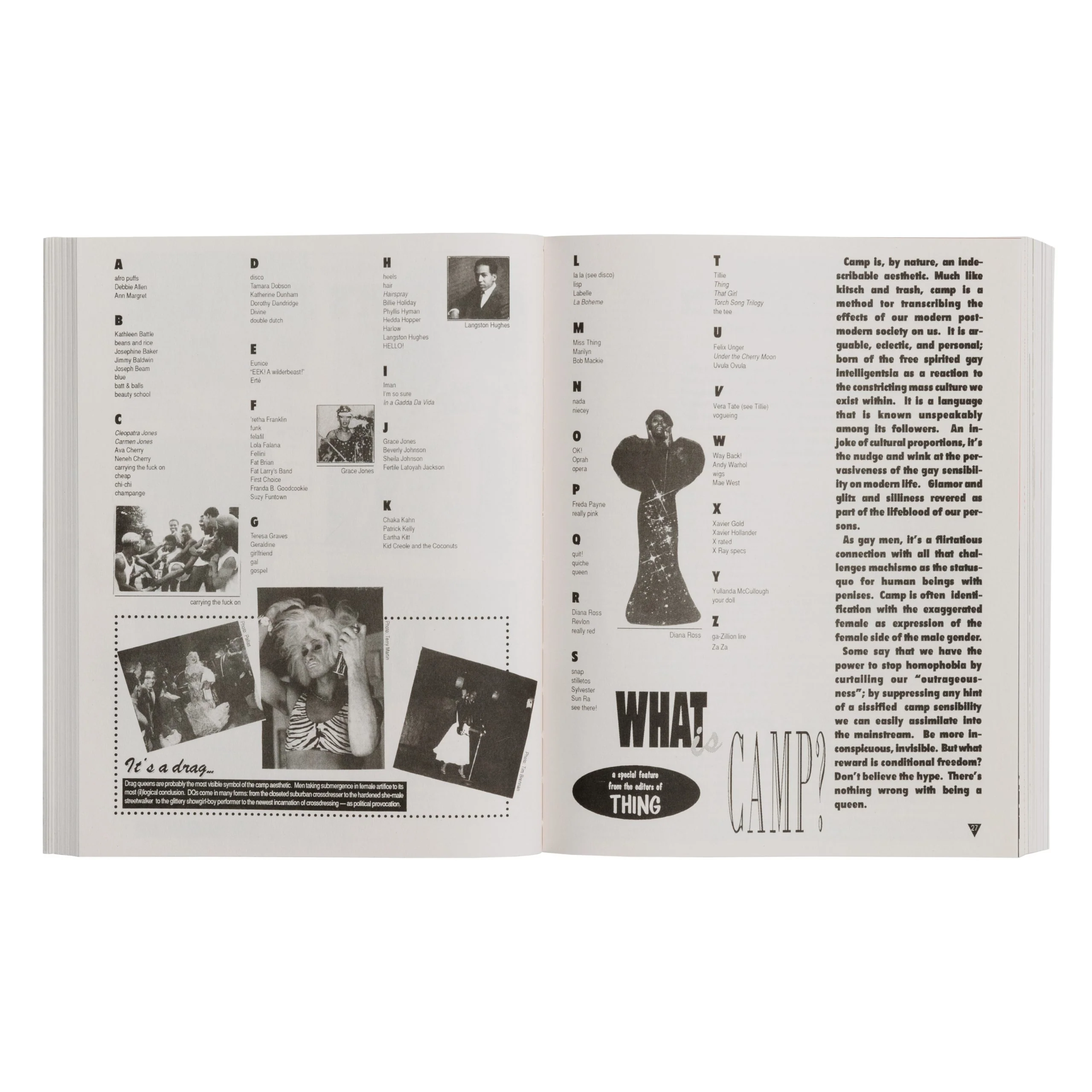
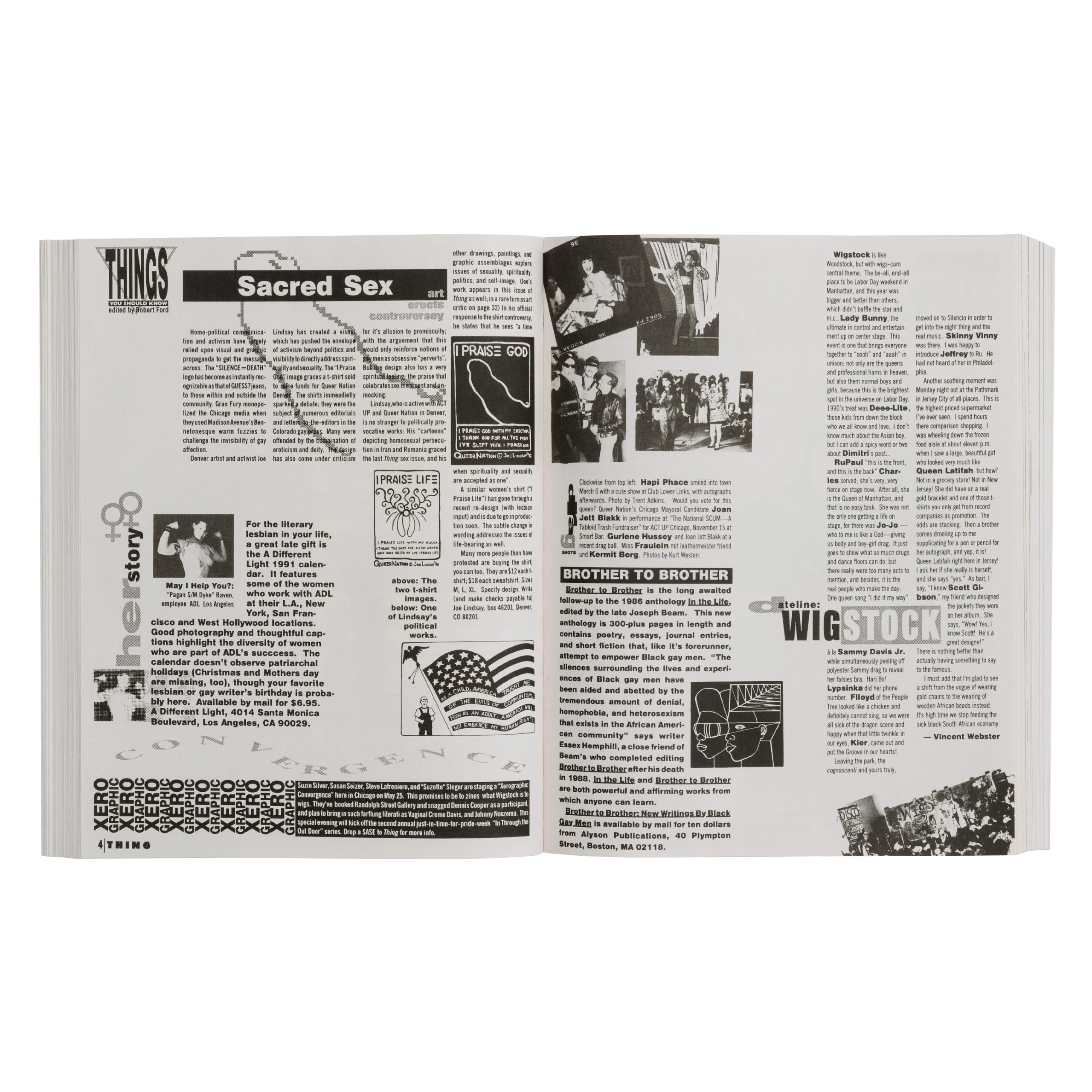
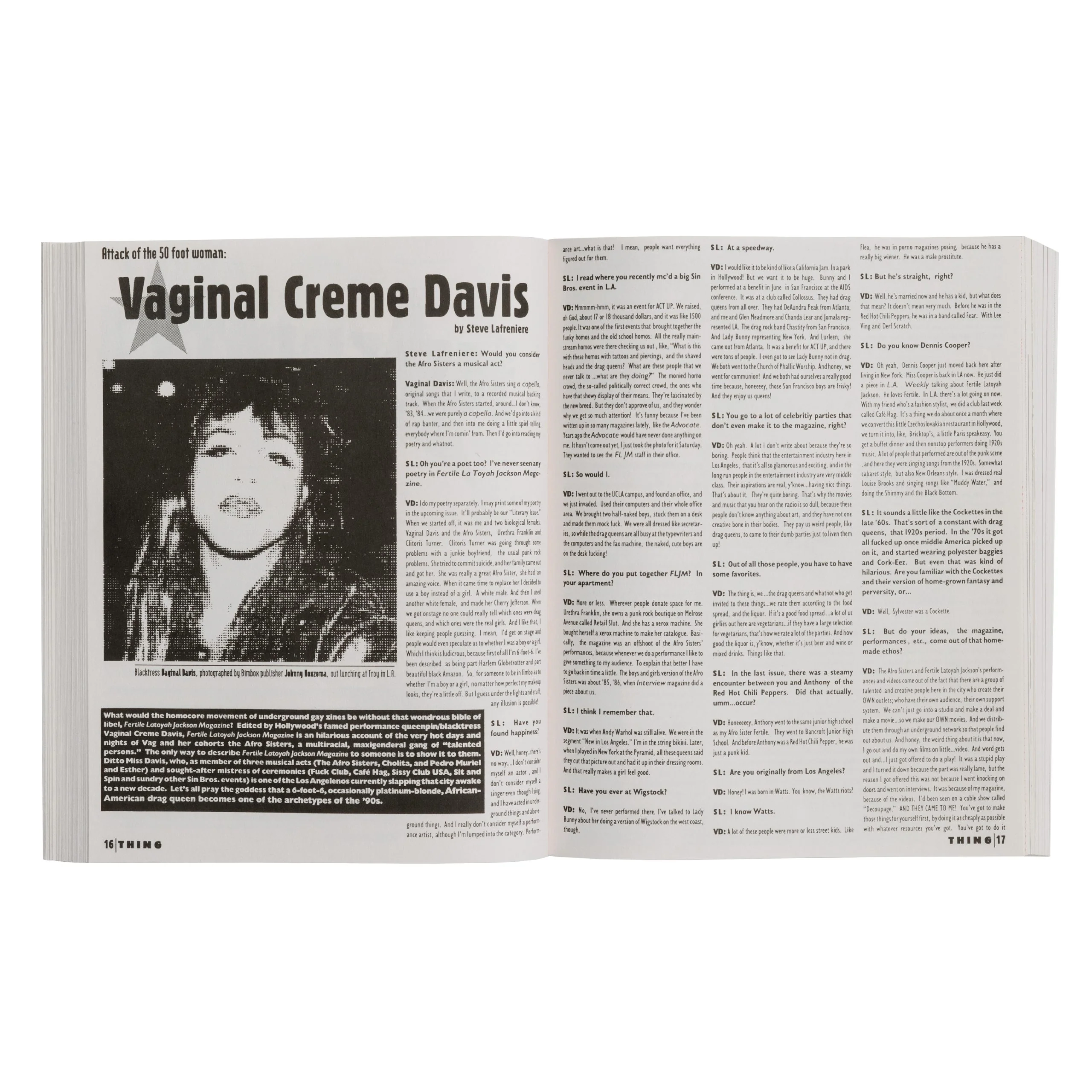
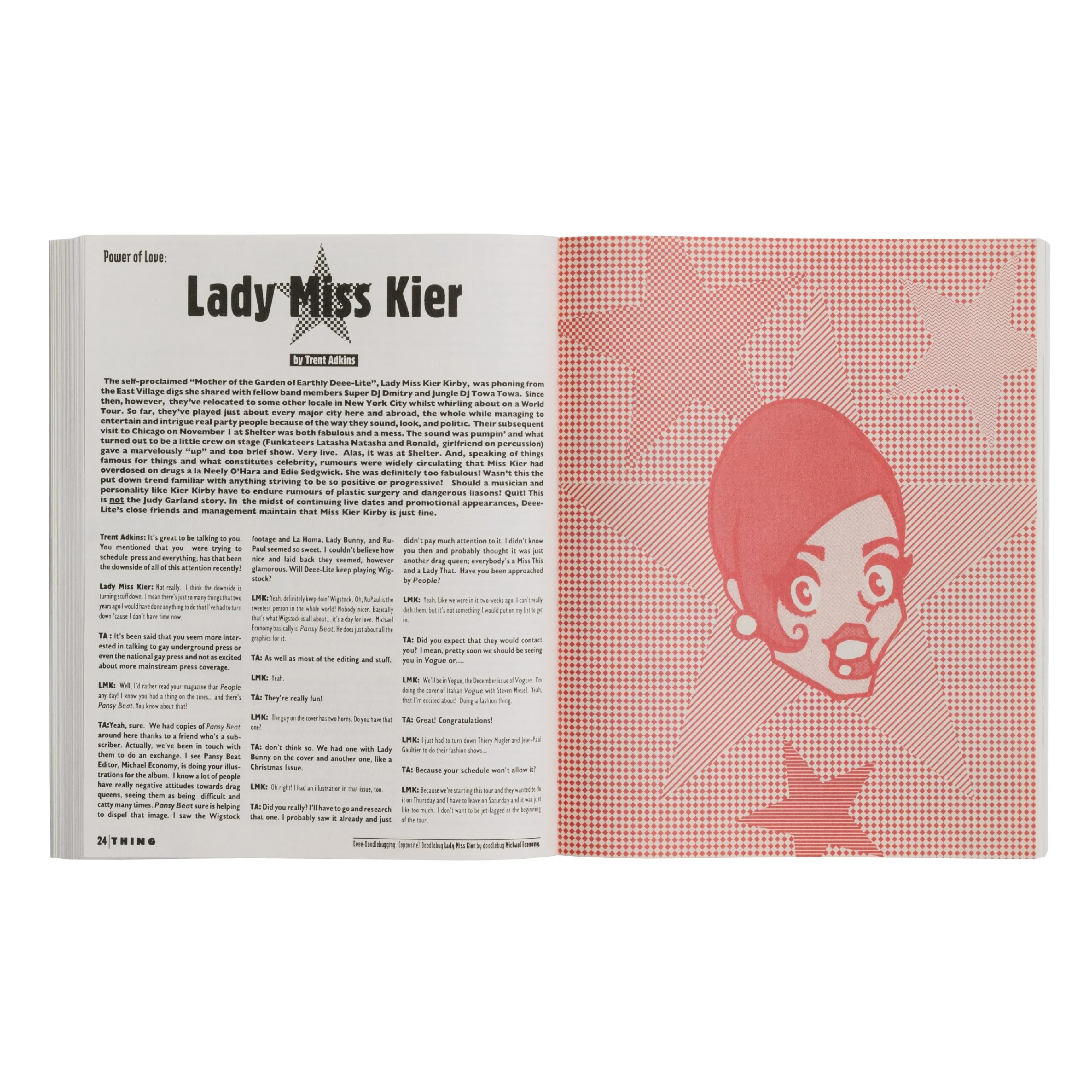
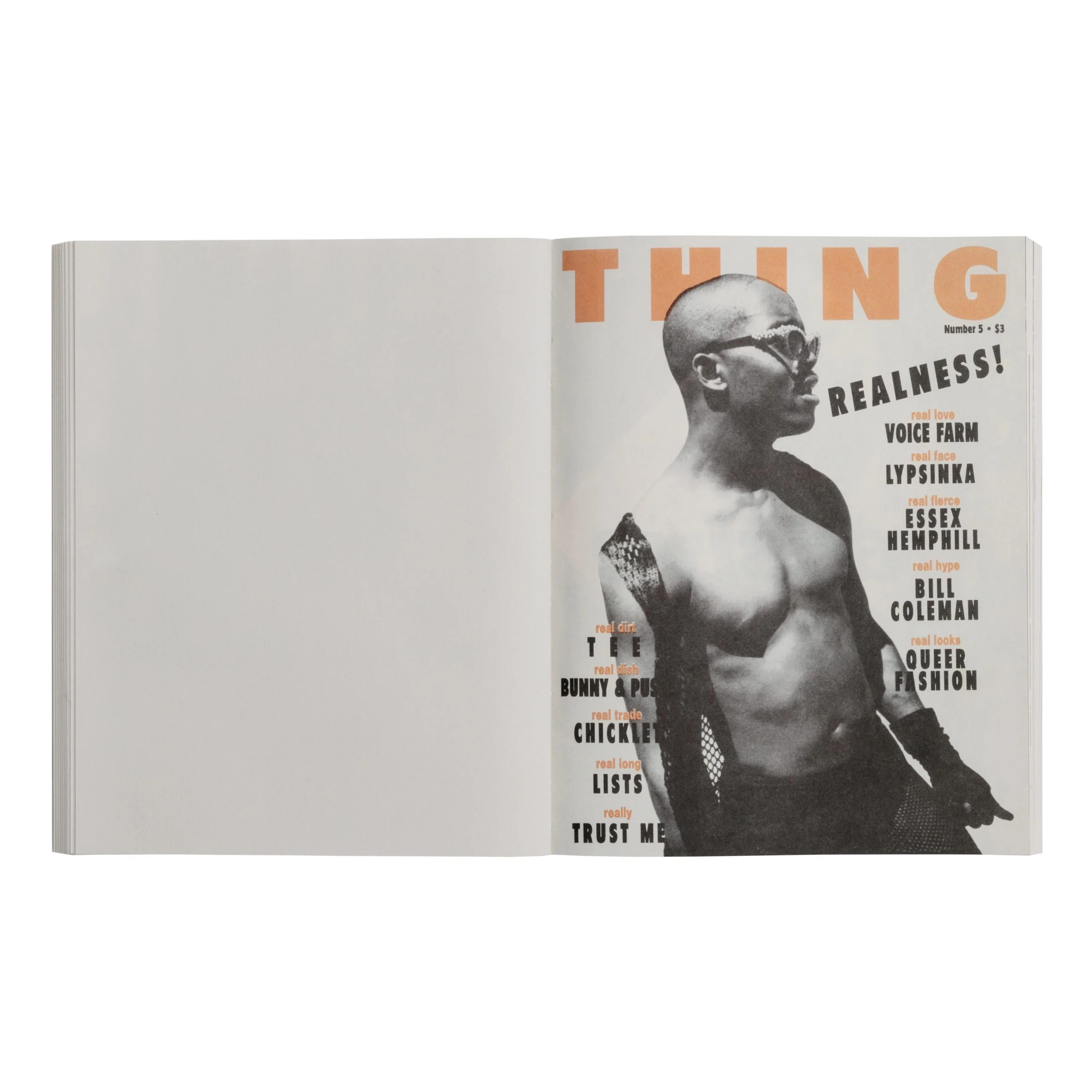
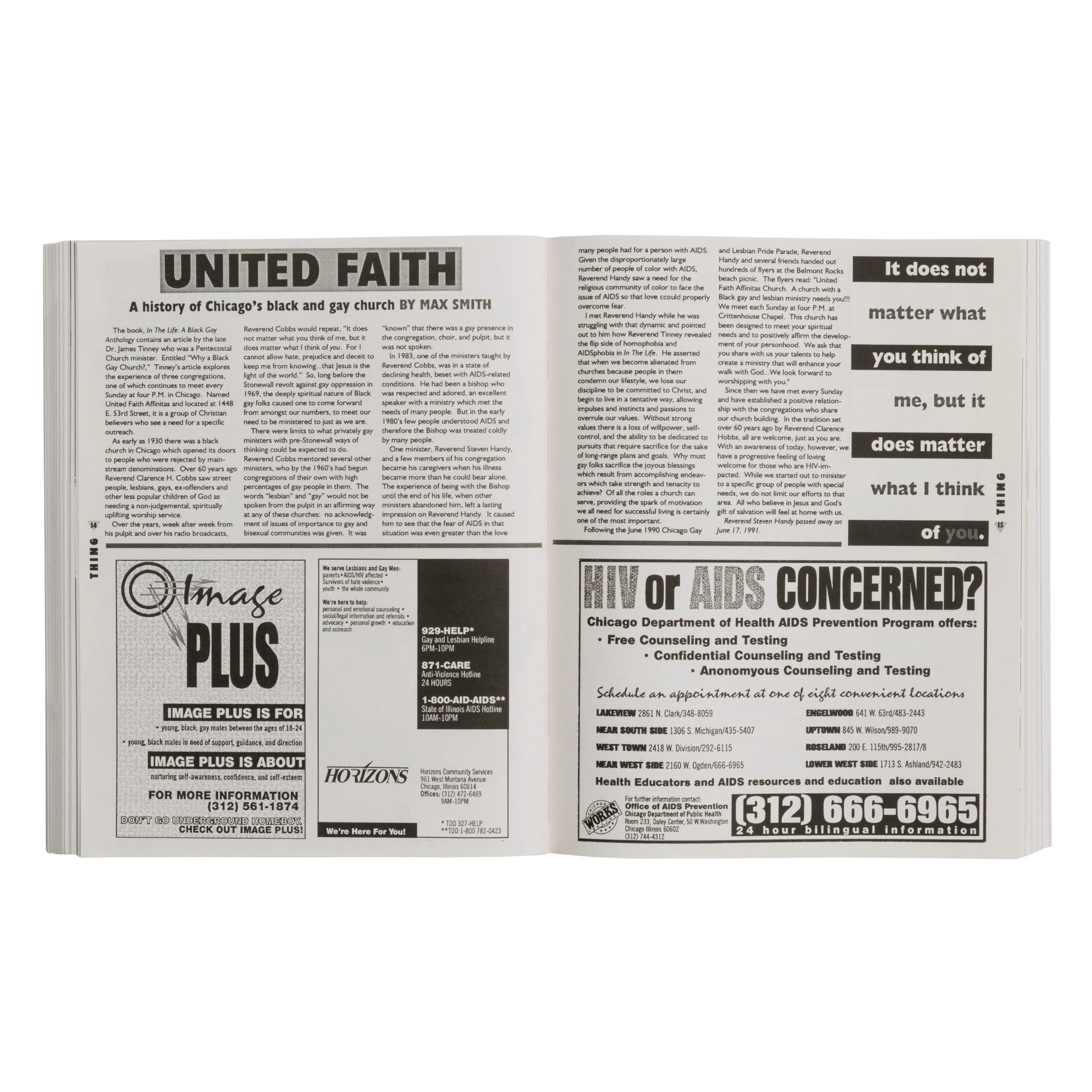
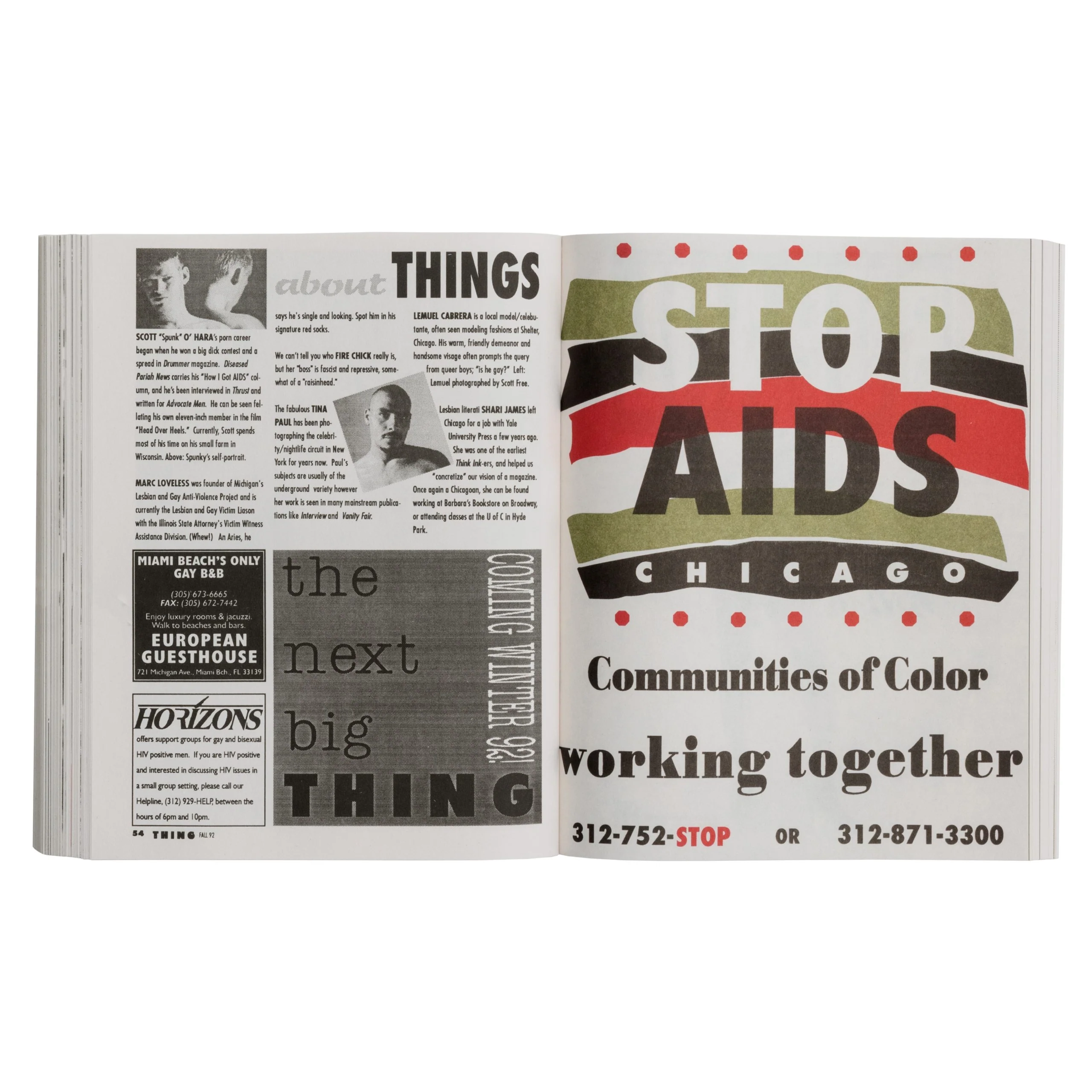
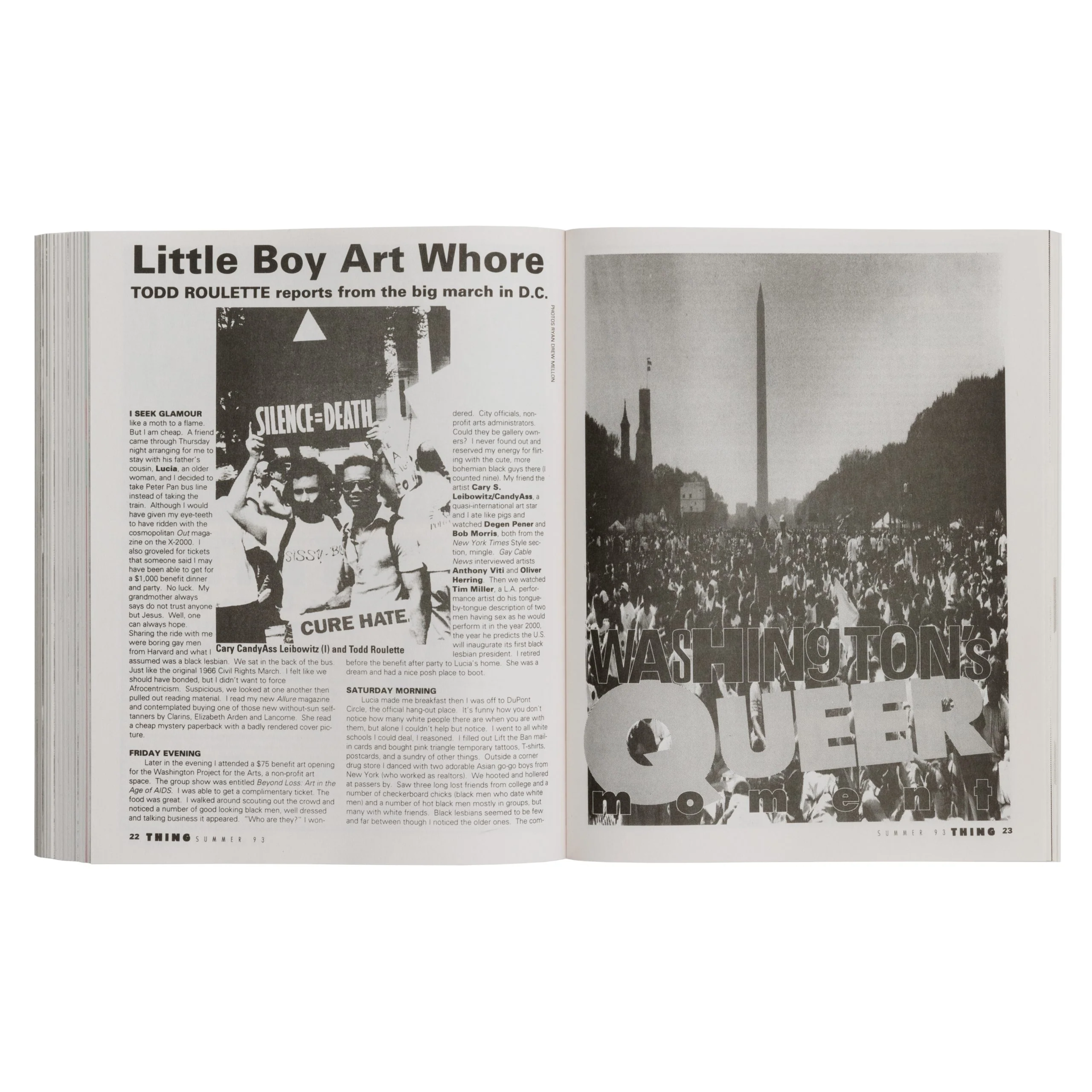
Started in 1989 by designer and writer Robert Ford, THING magazine was the voice of the queer Black music and art scene in the early 1990s. Ford and his editors were part of the burgeoning House music scene, which originated in Chicago’s queer underground, and some of the top DJs and musicians from that time were featured in the magazine, including Frankie Knuckles, Gemini, Larry Fingers, Rupaul, and Deee-Lite. THING published ten issues from 1989-1993, before it was cut short by the death of Ford from HIV/AIDS related causes. All ten issues of THING are collected and published here for the first time.
As House music thrived, THING captured the multidisciplinary nature of the scene, opening its pages to a wide range of subjects: poetry and gossip, fiction and art, interviews and polemics. The AIDS crisis loomed large in its contents, particularly in the personal reflections and vital HIV/AIDS treatment resources that it published. An essay by poet Essex Hemphill was published alongside the gossip columnist Michael Musto and Rupaul dished wisdom alongside a diary from the AIDS March on Washington. Joan Jett Blakk’s revolutionary presidential campaign is contained in these pages, as are some of the most underground, influential literary voices of the time, such as Dennis Cooper, Vaginal Davis, Gary Indiana, Marlon Riggs, David Wojnarowicz, and even David Sedaris.
více informací ...
s DPH
THING was very much in dialogue with the Club Kids in New York and other Queer publishing ventures, but in many ways, it fostered an entirely unique perspective—one with more serious ambitions. In a moment when the gay community was besieged by the AIDS crisis and a wantonly cruel government, the influence and significance of this cheaply-produced newsprint magazine vastly exceeded its humble means, presenting a beautiful portrait of the ball and club culture that existed in Chicago with deep intellectual reflections. THING was a publication by and for its community and understood the fleetingness of its moment. To reencounter this work today, is to reinstate the Black voices who were so central to the history of AIDS activism and queer and club culture, but which were often sidelined by white queer discourse. In many ways, THING offered a blueprint for the fundamental role a magazine plays in bringing together a community, its tagline summing up the bold stakes of this important venture: “She Knows Who She Is.”
Časopis THING, založený v roce 1989 designérem a spisovatelem Robertem Fordem, byl hlasem queer černošské hudební a umělecké scény na začátku 90. let. Ford a jeho redaktoři byli součástí rozvíjející se house music scény, která vznikla v chicagském queer undergroundu, a v časopise se objevili někteří z předních DJů a hudebníků té doby, včetně Frankieho Knucklese, Gemini, Larryho Fingerse, Rupaula a Deee-Lite. THING vydal deset čísel v letech 1989-1993, než byl ukončen Fordovou smrtí na příčiny související s HIV/AIDS. Všech deset čísel THING je zde shromážděno a publikováno poprvé.
S rozkvětem house music THING zachytil multidisciplinární povahu scény a otevřel své stránky široké škále témat: poezii a drby, beletrii a umění, rozhovory a polemiky. Krize AIDS se v jeho obsahu objevovala významně, zejména v osobních reflexích a důležitých zdrojích pro léčbu HIV/AIDS, které publikoval. Esej básníka Essexe Hemphilla byla publikována spolu s článkem drbářského sloupkaře Michaela Musta a Rupaul se věnoval moudrosti spolu s deníkem z pochodu AIDS na Washington. Na těchto stránkách je obsažena revoluční prezidentská kampaň Joan Jett Blakk, stejně jako některé z nejvlivnějších undergroundových literárních hlasů té doby, jako Dennis Cooper, Vaginal Davis, Gary Indiana, Marlon Riggs, David Wojnarowicz a dokonce i David Sedaris.
Časopis THING intenzivně vedl dialog s newyorským Club Kids a dalšími queer vydavatelstvími, ale v mnoha ohledech podporoval zcela jedinečnou perspektivu – perspektivu s vážnějšími ambicemi. V době, kdy gay komunitu sužovala krize AIDS a svéhlavě krutá vláda, vliv a význam tohoto levně vydávaného novinového časopisu výrazně překračoval jeho skromné možnosti a představoval krásný portrét klubové kultury, která v Chicagu existovala, s hlubokými intelektuálními reflexemi. THING byl publikací pro svou komunitu a chápal pomíjivost své doby. Znovu setkat se s tímto dílem dnes znamená znovuobjevit černošské hlasy, které byly tak klíčové pro historii aktivismu v boji proti AIDS a queer a klubové kultury, ale které byly často odsunuty na vedlejší kolej bílým queer diskurzem. V mnoha ohledech THING nabídl plán pro základní roli, kterou časopis hraje při sjednocování komunity, a jeho slogan shrnoval odvážné cíle tohoto důležitého podniku: „Ona ví, kdo je.“