Poštovné zdarma nad 2500 Kč, Osobní odběr v Praze i v Brně

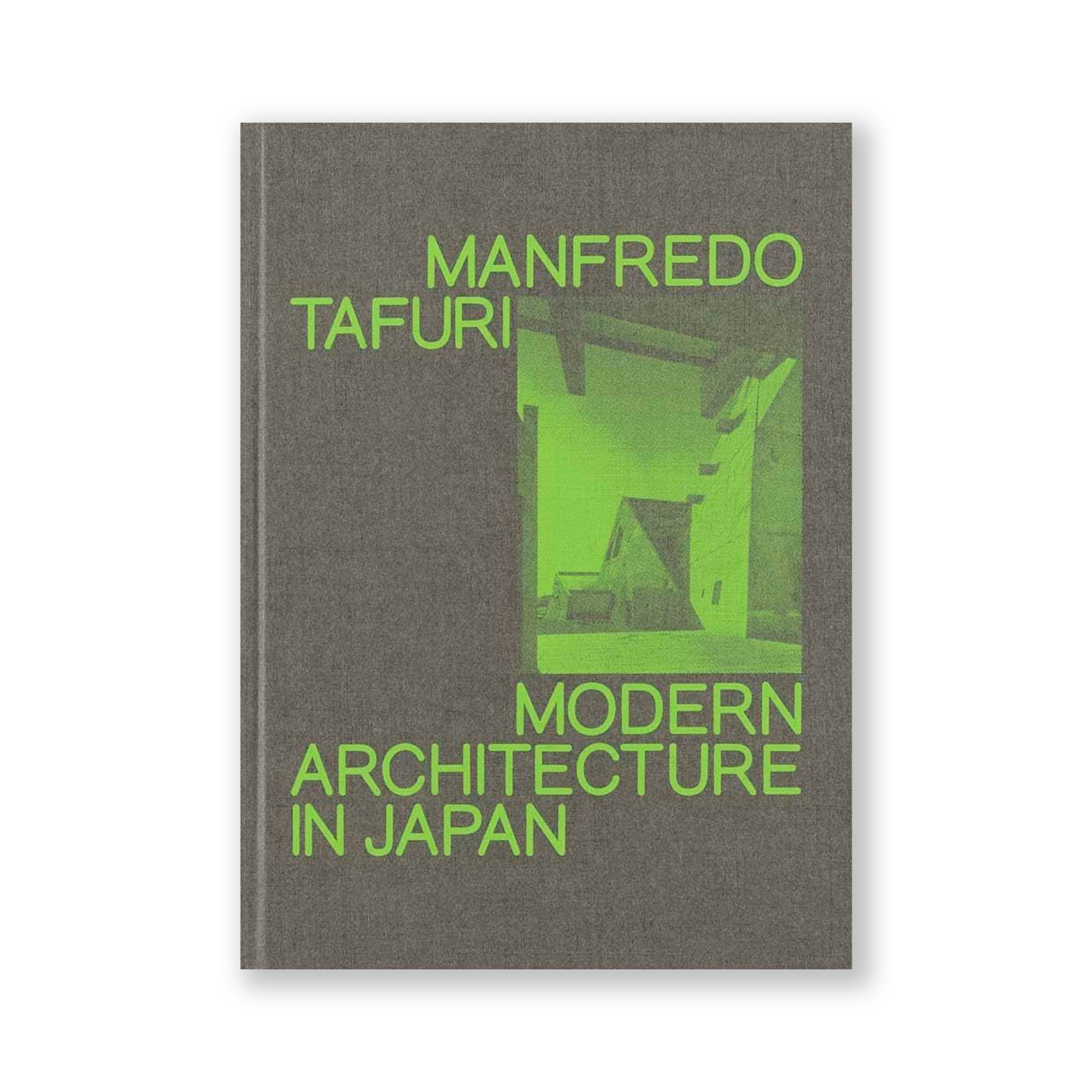
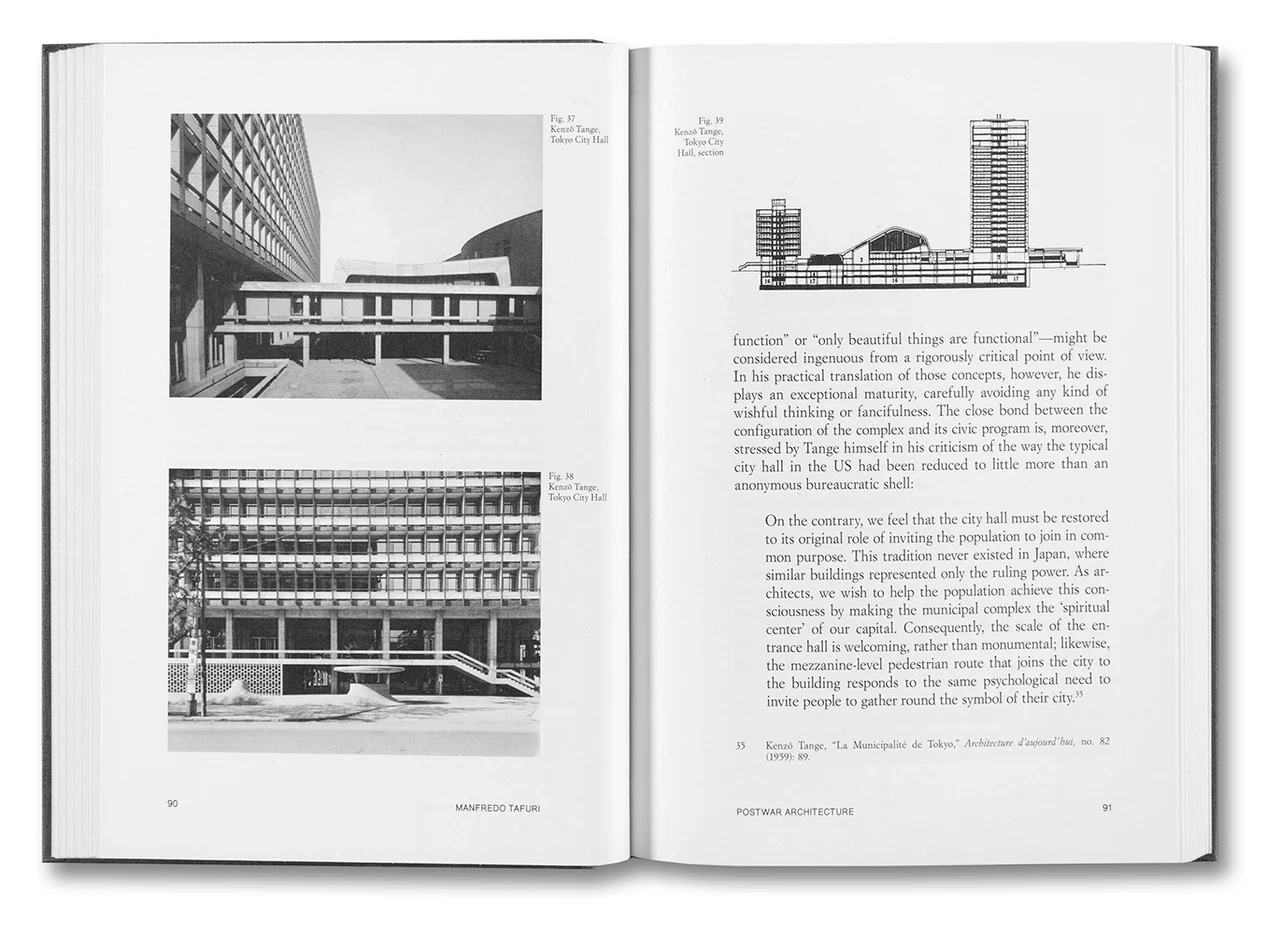
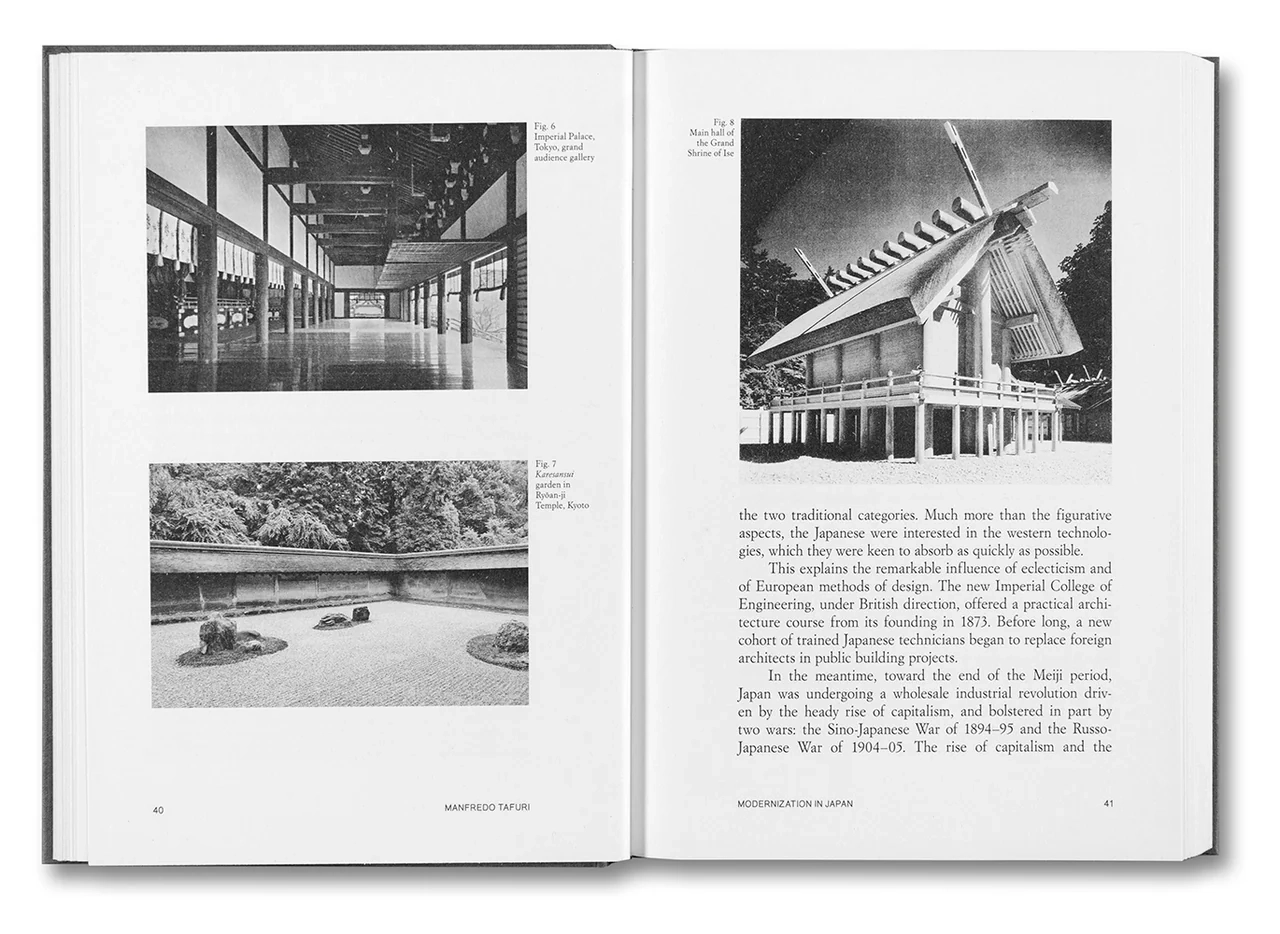
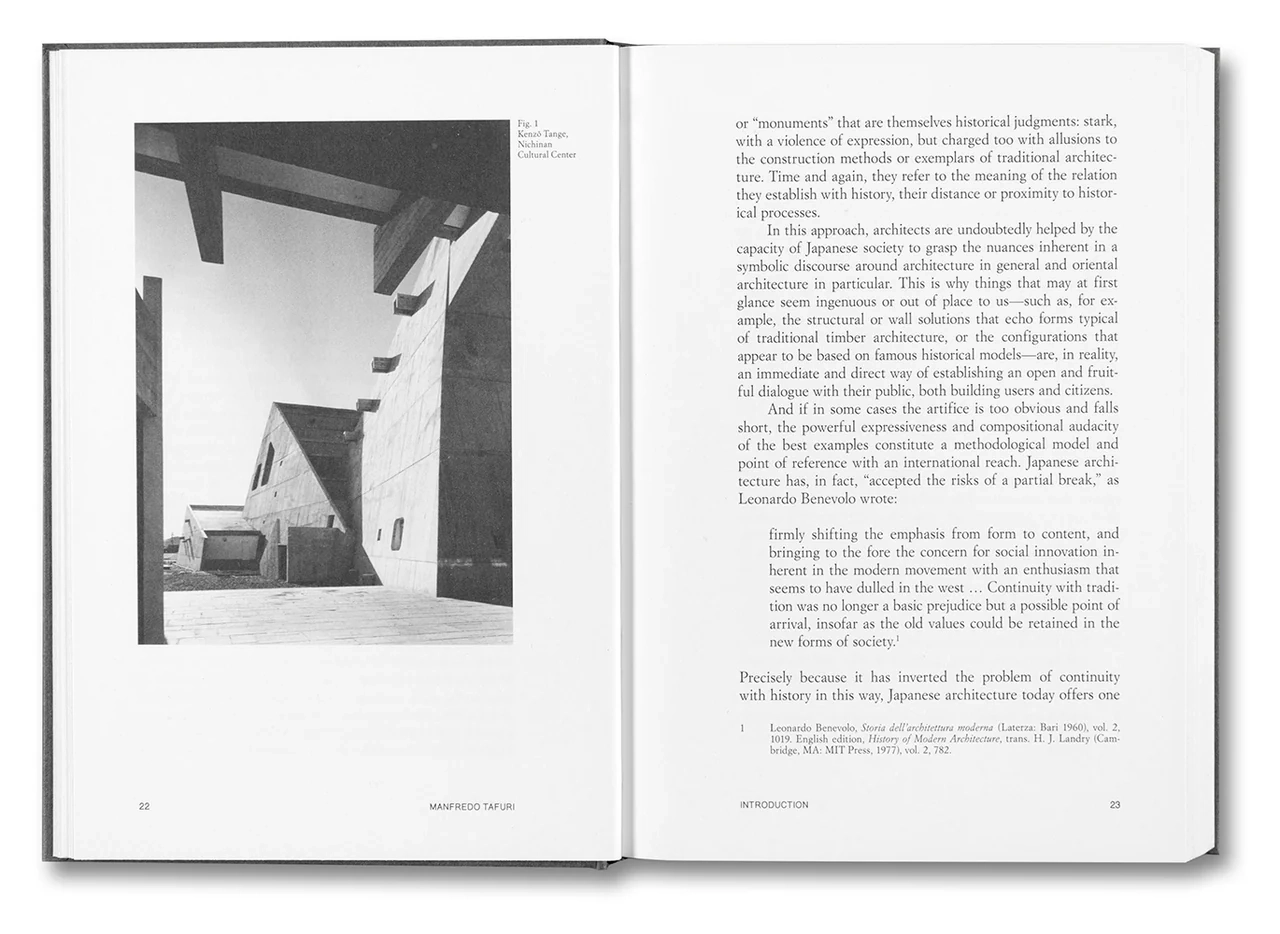
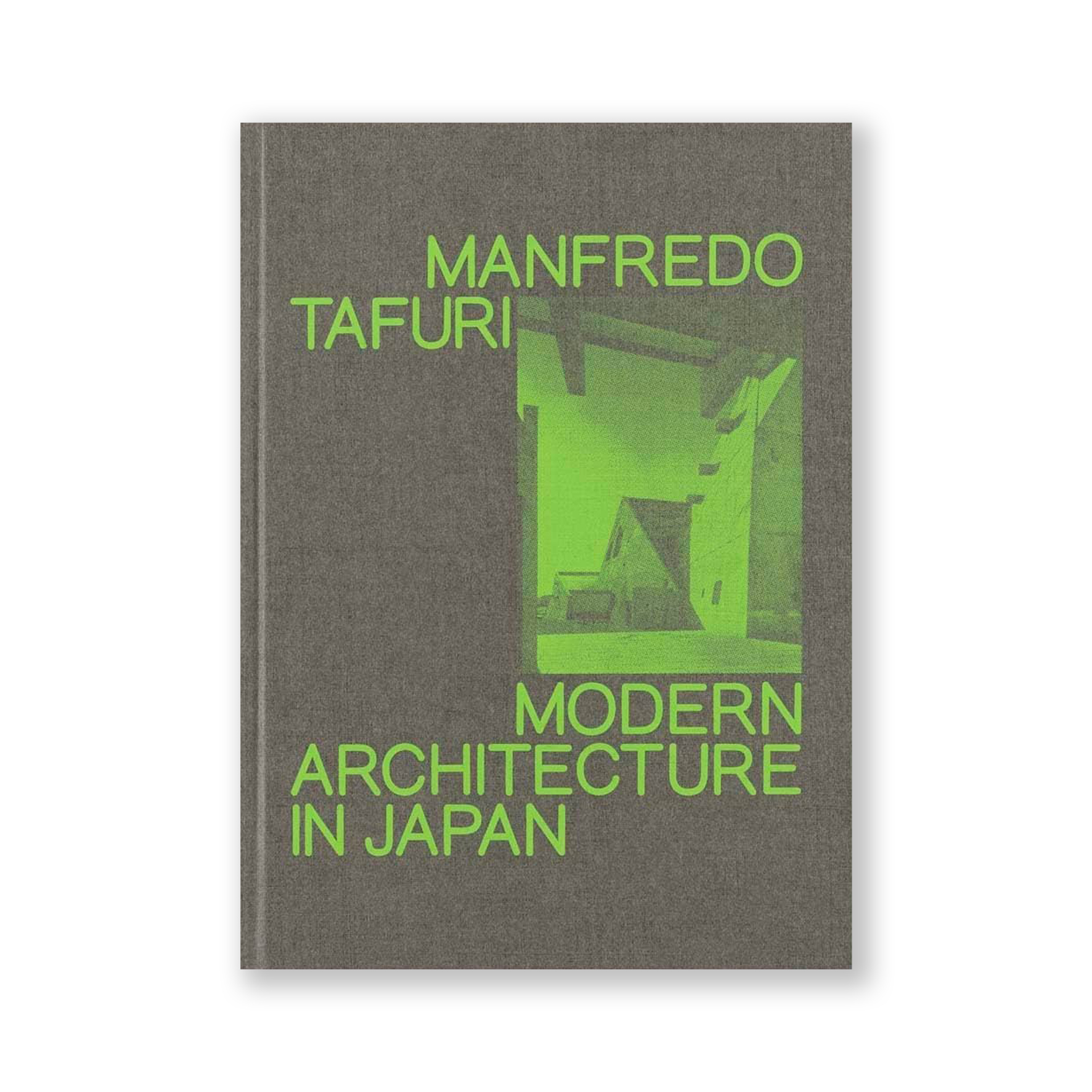
Tafuri’s ideas about Japanese architecture were primarily formed through texts, including magazine articles and contemporary photographs. How did Tafuri come to select the achievements of Japanese architects as the focus of his reflections on modern architecture? What happens when a historian of architecture relies purely on photographs for making judgments about a building?
Tafuriho představy o japonské architektuře se formovaly především prostřednictvím textů, včetně článků v časopisech a dobových fotografií. Jak se Tafuri dostal k tomu, že si vybral úspěchy japonských architektů jako středobod svých úvah o moderní architektuře? Co se stane, když se historik architektury při posuzování budovy spoléhá pouze na fotografie?
více informací ...s DPH
Manfredo Tafuri (1935–1994), the celebrated Italian architectural historian, published L’architettura moderna in Giappone in 1964. At the time, Tafuri was twenty-nine years old and had not visited Japan. His slim volume on the country’s postwar architecture was the first in a series of guidebooks on contemporary architecture under the direction of Leonardo Benevolo. Here, translated into English for the first time, the book presents a rare outsider’s view of the Metabolist movement and figures such as Kenzō Tange by one of the most astute critics of the second part of the twentieth century.
Manfredo Tafuri (1935–1994), slavný italský historik architektury, vydal v roce 1964 v Giappone knihu L'architettura moderna. V té době bylo Tafurimu dvacet devět let a Japonsko ještě nenavštívil. Jeho útlý svazek o poválečné architektuře země byl prvním v sérii průvodců po současné architektuře pod vedením Leonarda Benevola. Kniha, zde poprvé přeložená do angličtiny, představuje vzácný pohled zvenčí na metabolistické hnutí a osobnosti, jako je Kenzō Tange, od jednoho z nejbystřejších kritiků druhé poloviny dvacátého století.