Poštovné zdarma nad 2500 Kč, Osobní odběr v Praze i v Brně

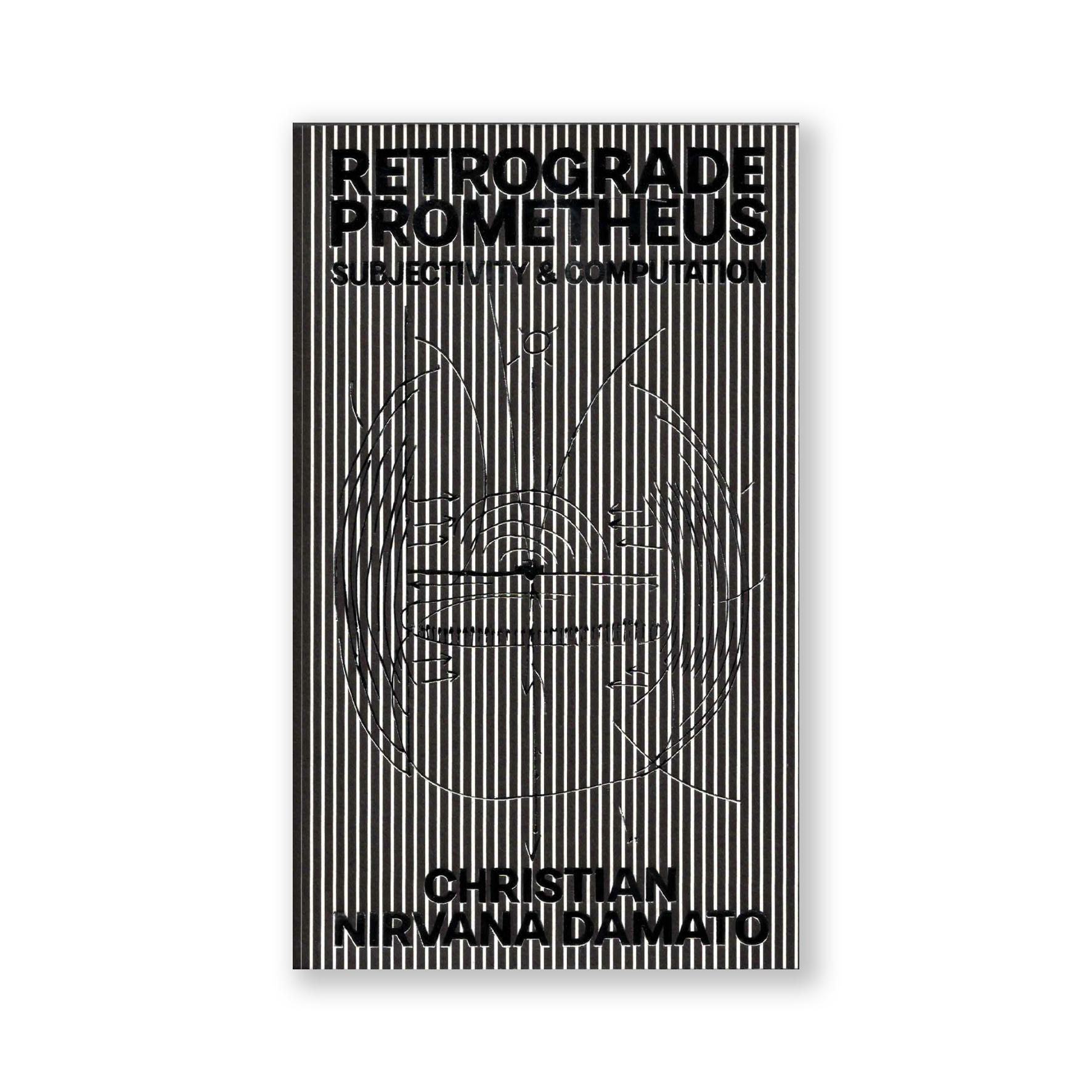
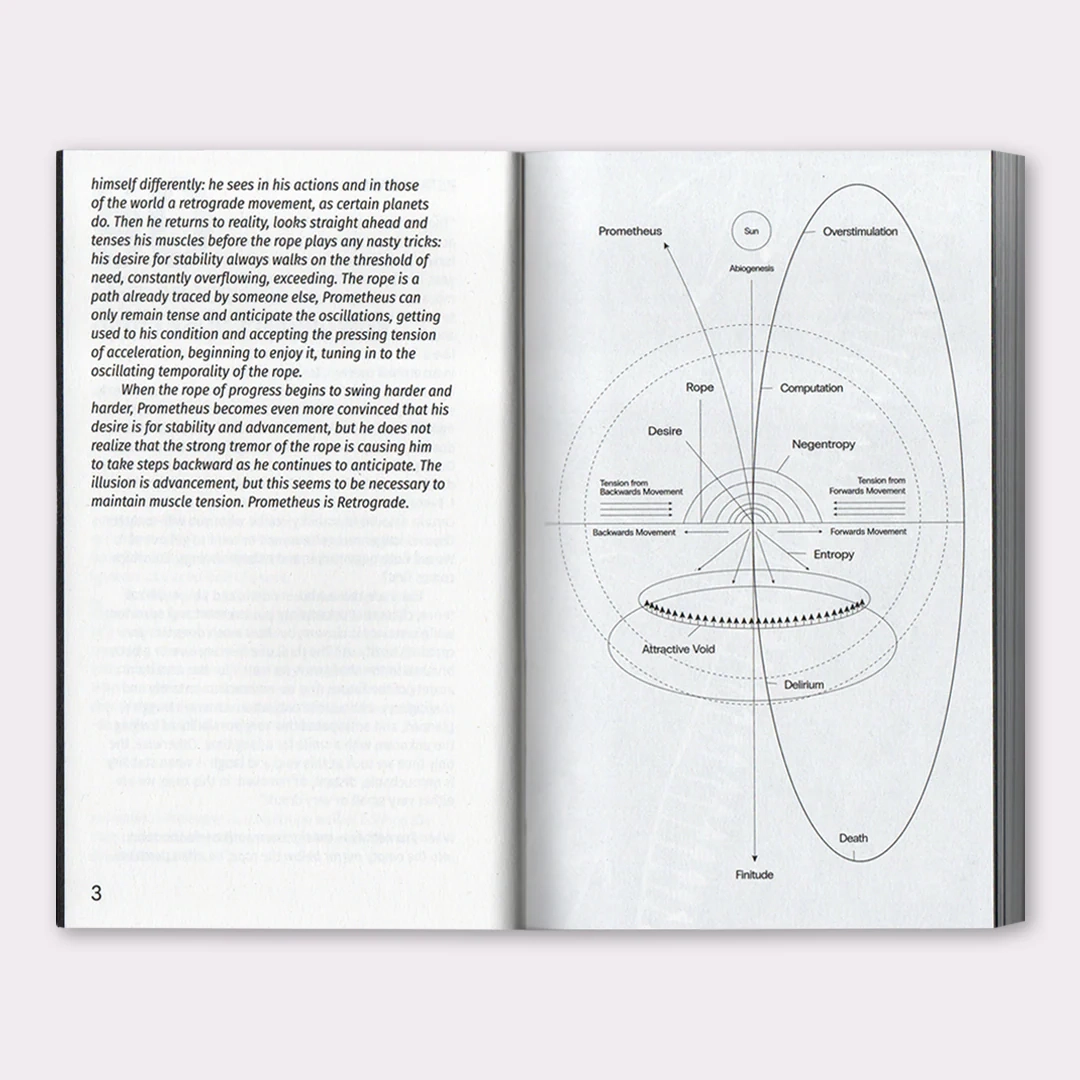
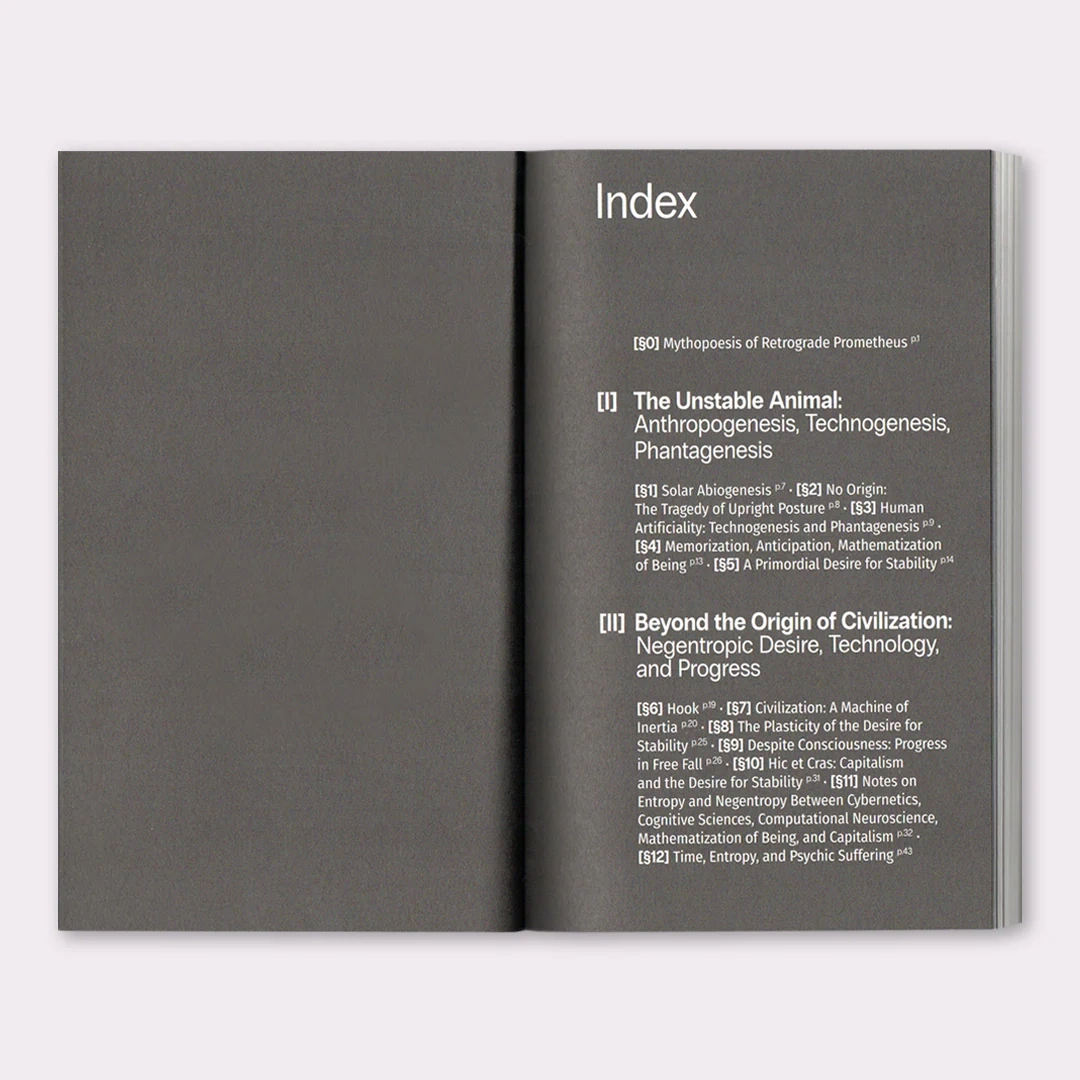
This book proposes a reversal of a common convention within contemporary critical theory: the idea that desire is an entropic, creative and potentially emancipatory force. Against this view, the author figures desire as negentropic, structured around stability, prediction, and calculation. Far from being disrupted by technocapital, this desire finds there a troubling affinity, and is seemingly propelled toward increasingly self-destructive forms. Retrograde Prometheus, part a poetic narrative, and part speculative treatise, seeks to reformulate these categories through which we understand desire, along with all the existential, ethical, and political implications that such a radical change in perspective may entail.
s DPH