Poštovné zdarma nad 2500 Kč, Osobní odběr v Praze i v Brně

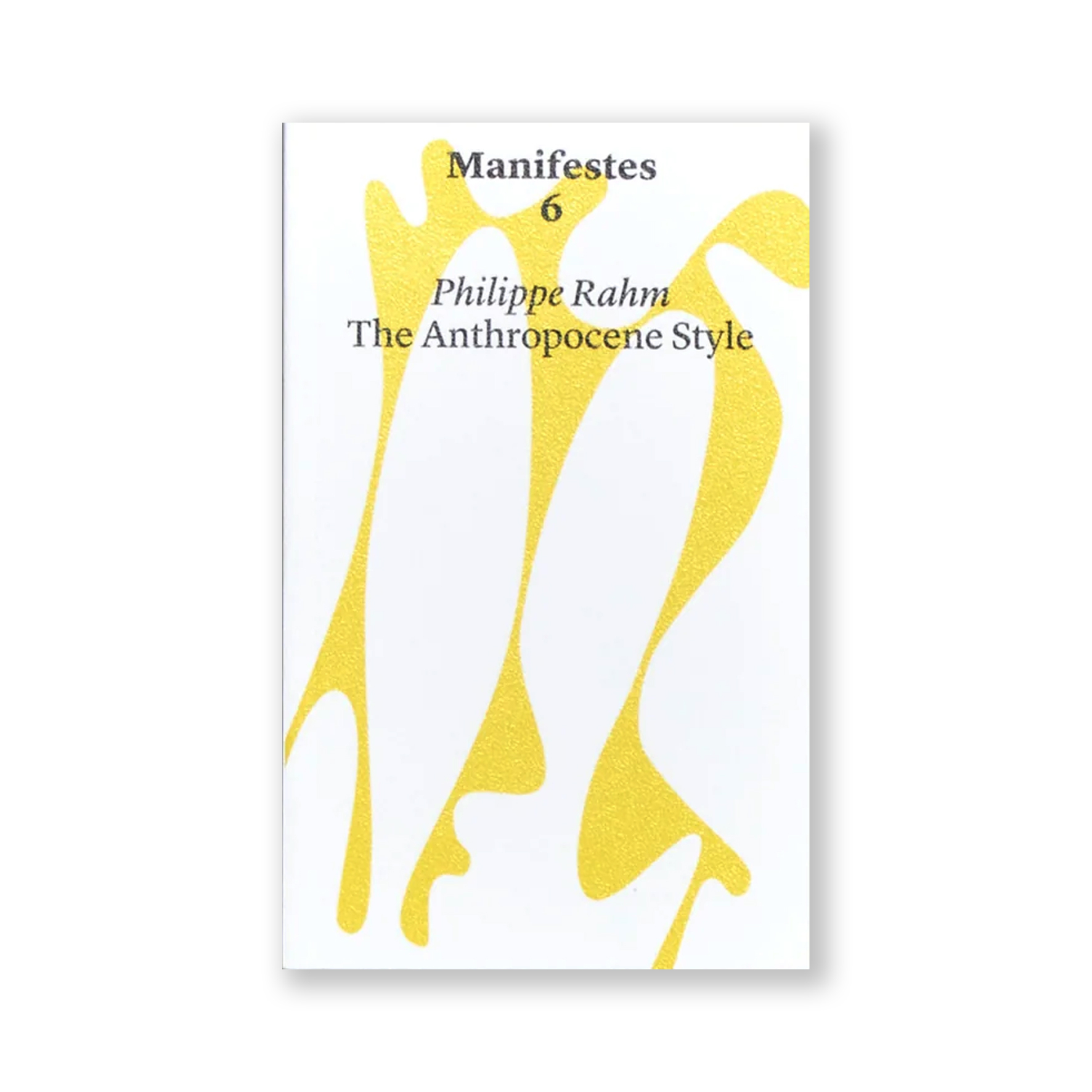
This book links architecture, aesthetics and engineering to show how utilitarian decorative arts are returning in response to global warming. Until the early 20th century, interior decoration in the West served practical purposes: carpets insulated against cold floors, tapestries reduced heat loss, mirrors and crystals amplified scarce light, and curtains or screens blocked draughts. With the arrival of central heating, air conditioning and electric lighting, these functions became obsolete, giving rise to minimalist modern interiors powered by fossil fuels.
Today, new energy and thermal requirements such as thick insulation and attention to emissivity, conduction or reflectance signal a revival of functional decoration. These elements resemble modern forms of tapestries and suggest the emergence of a new aesthetic shaped by decarbonisation. As buildings adapt to lower carbon footprints and rising heat, interior design regains its practical role, forging a decorative language specific to the 21st century. The authors propose calling it the “anthropocene style.”
s DPH