Poštovné zdarma nad 2500 Kč, Osobní odběr v Praze i v Brně

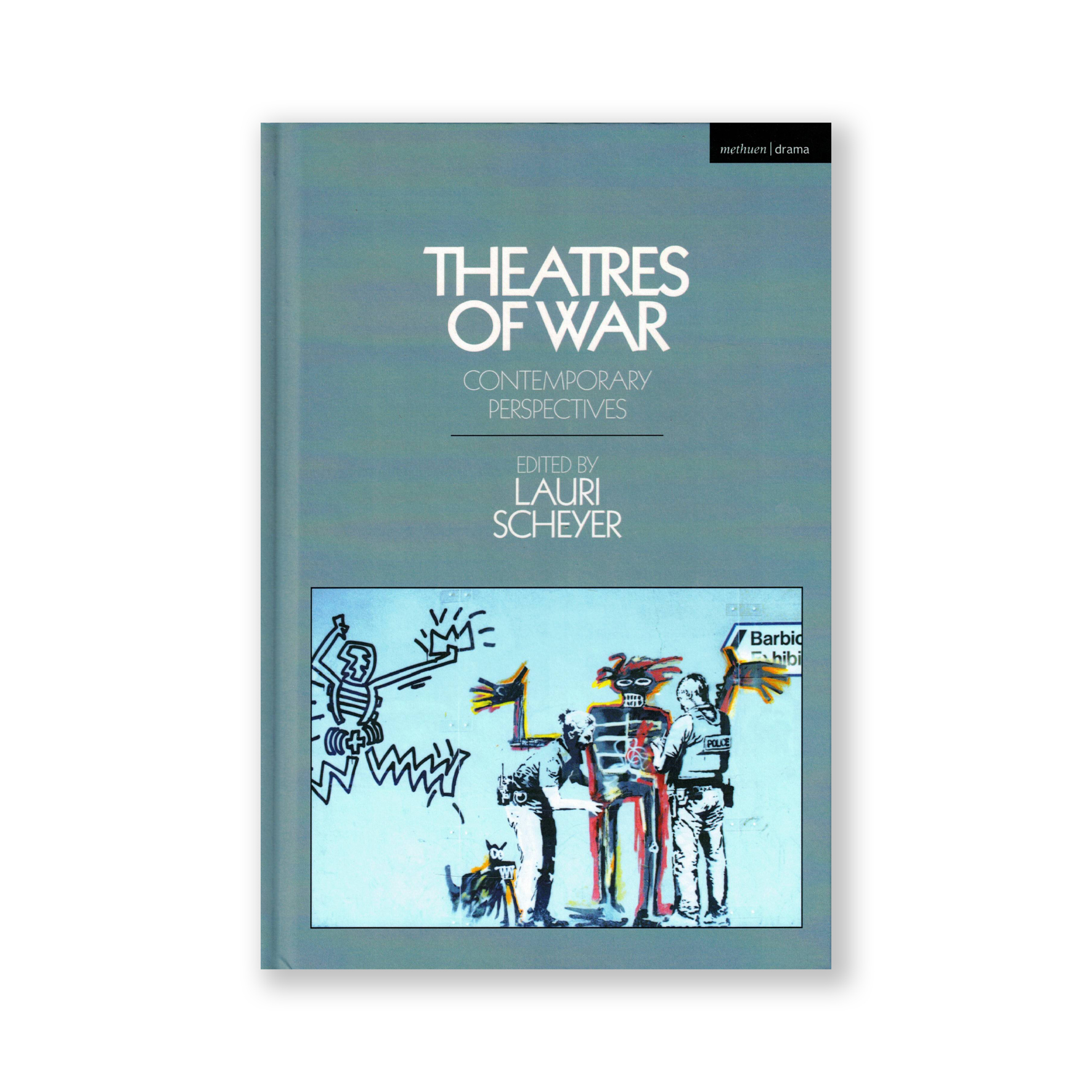
Proč se tolik autorů a diváků obrací k divadlu, aby vyřešili obtížná témata bolesti a utrpení? Tato sbírka esejí od mezinárodních vědců přehodnocuje, jak divadlo hrálo klíčovou roli v zachycení a uchování významných lidských zkušeností.
Hry o globálních problémech, včetně terorismu a války, si získávají stále větší pozornost dramatiků, vědců, kritiků a diváků. V této soudobé sbírce různí přispěvatelé vysvětlují zvláštní schopnost divadla vyvolávat dialog a podporovat uzdravení při řešení lidských tragédií.
Tato sbírka pojednává o více než 30 mezinárodních hrách a případových studiích z různých časových období, které se všechny odehrávají na pozadí války. Čtyři části dokumentují britské a americké pohledy na divadla války, globální pohledy na divadla války, pohledy na Black Watch a nakonec pohledy na The Great Game: Afghanistan. Prostřednictvím toho řada mezinárodních vědců z různých oborů kreativně přehodnocuje jedinečnou schopnost divadla zprostředkovat dopady a zkušenosti války.
Díky příspěvkům z různých perspektiv poskytuje tato kniha bohatství odhalujících postřehů o tom, proč se autoři a diváci vždy obraceli k jedinečnému médiu divadla, aby pochopili válku.
Why do so many writers and audiences turn to theatre to resolve overwhelming topics of pain and suffering? This collection of essays from international scholars reconsiders how theatre has played a crucial part in encompassing and preserving significant human experiences.
Plays about global issues, including terrorism and war, are increasing in attention from playwrights, scholars, critics and audiences. In this contemporary collection, a gathering of diverse contributors explain theatre's special ability to generate dialogue and promote healing when dealing with human tragedy.
This collection discusses over 30 international plays and case studies from different time periods, all set in a backdrop of war. The four sections document British and American perspectives on theatres of war, global perspectives on theatres of war, perspectives on Black Watch and, finally, perspectives on The Great Game: Afghanistan. Through this, a range of international scholars from different disciplines imaginatively rethink theatre's unique ability to mediate the impacts and experiences of war.
Featuring contributions from a variety of perspectives, this book provides a wealth of revealing insights into why authors and audiences have always turned to the unique medium of theatre to make sense of war.
s DPH