Poštovné zdarma nad 2500 Kč, Osobní odběr v Praze i v Brně

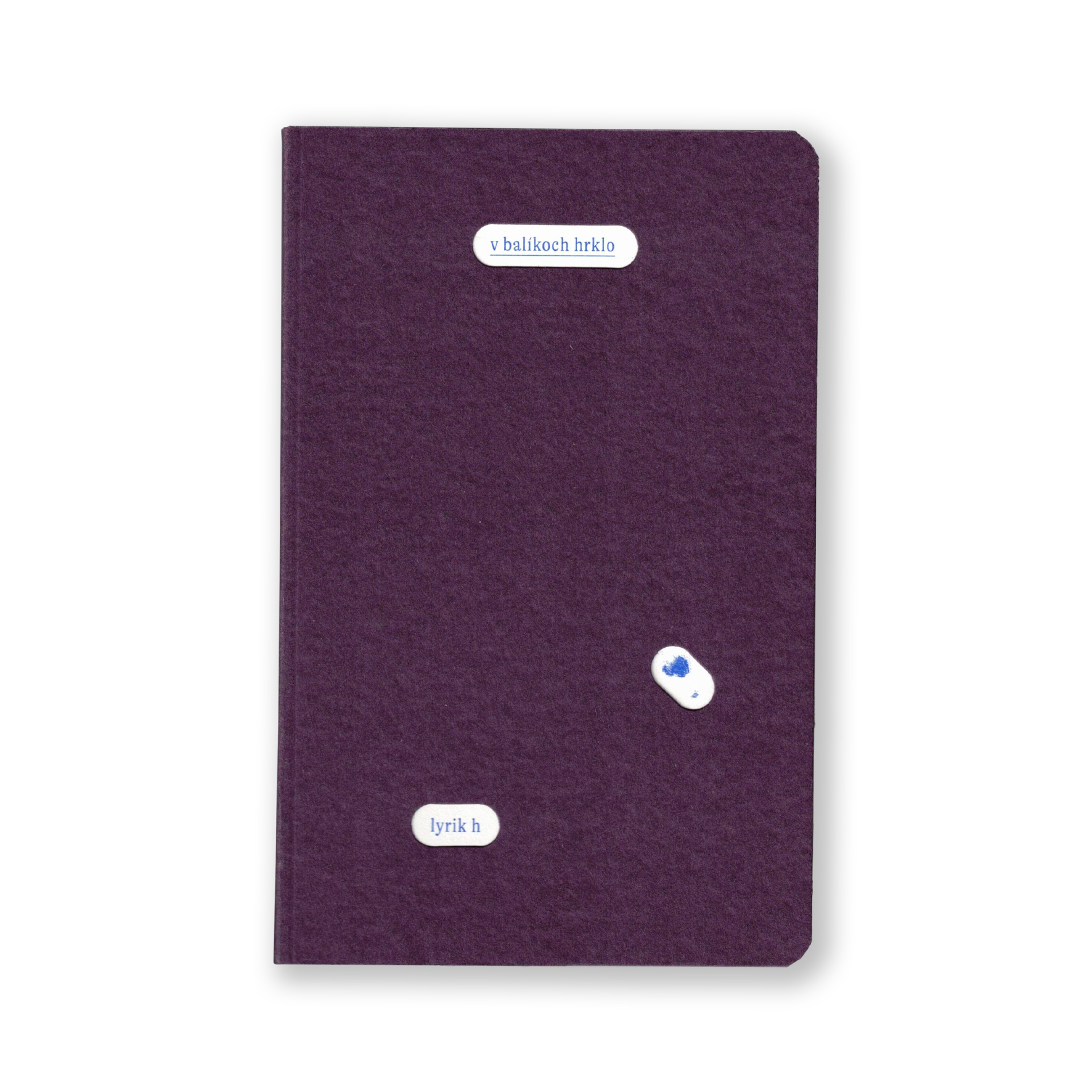
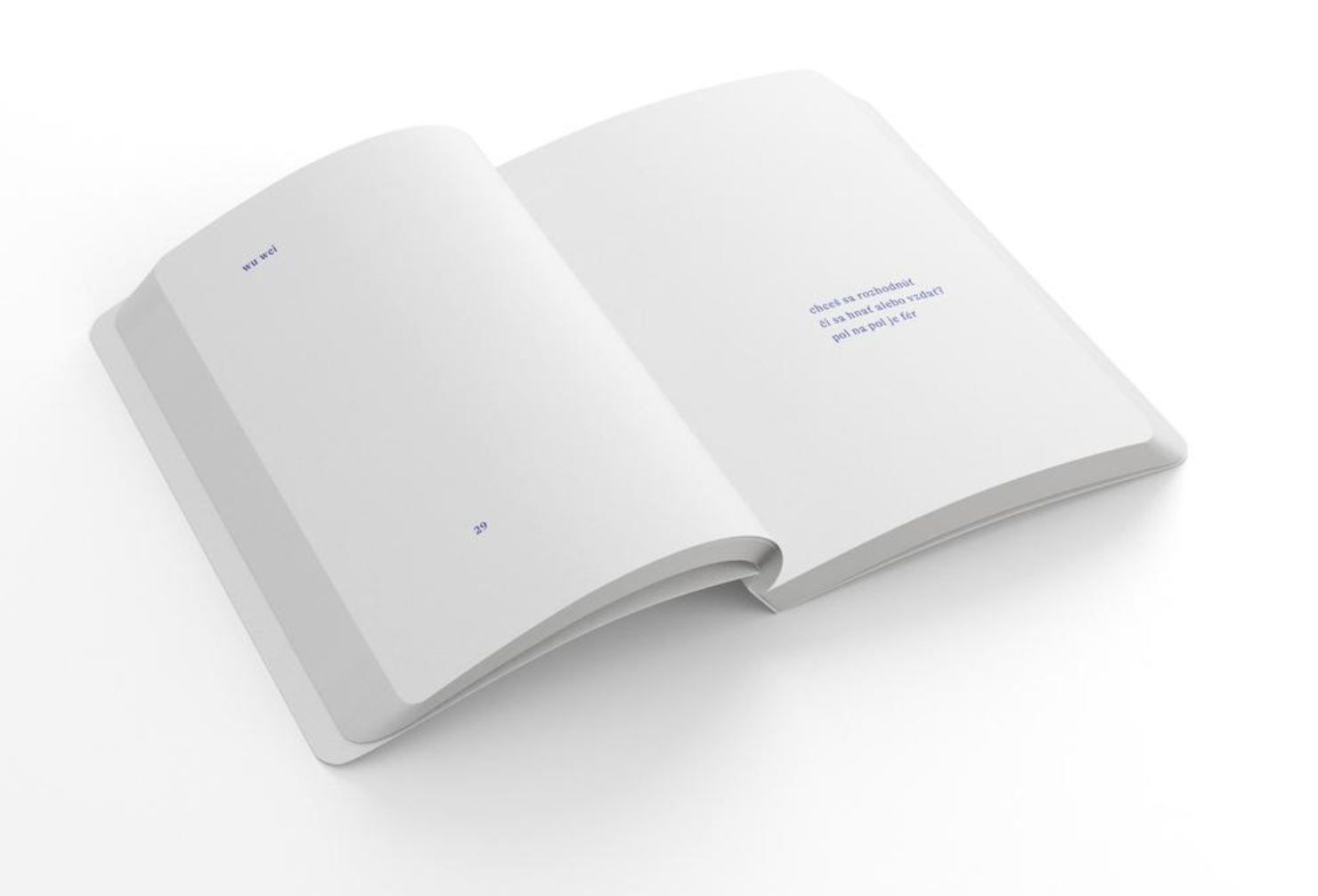
Lyrik H pri potulkách mestom a prírodou začal písať haiku. Dosť ho to bavilo a nakoniec pohltilo.
Výsledkom je táto kniha, ktorá vás, veríme, poteší a inšpiruje.
While wandering through the city and nature, Lyrik H began writing haiku. He enjoyed it quite a bit—and eventually, it completely absorbed him.
The result is this book, which we hope will bring you joy and inspiration.
s DPH
"Samodeklarovaný Lyrik vie byť frenetický ortuťovitý maniak, ktorý guľometnou kadenciou kropí publikum dávkami slov. Ale dokáže byť aj stíšený kdesi v ústraní, sediac v lotosovom sede, snažiac sa vypudiť z hlavy všetko mimo ticha.Tento druhý, stíšený Palo Remiáš, ktorý s nim zdieľa to isté telo, chytá zo vzduchu efemérnne pocity, jemné ako pavučinky babieho leta a konzervuje ich do 17 slabík v troch riadkoch." - Shooty
Básne v tejto knihe sa predrali z ruchu a šumu ulíc, rodinného života a paralelných dejov na sieťach. Podarilo sa sem dostať viac voľného priestoru ako textu. Gestom sa vymaže hluk. Stíchutím na krik. Zarámované záblesky - Katarína Kucbelová
"Na jednej strane je Rap. Na druhej strane haiku ako protijed, protirep, v strede Lyrik, rozpažený medzi nimi, na bradlách jazyka, stále pevnejšie, ľavou a pravou, ťahá sa hore, jedným švihom oboma rukami." - Michal Havran
“The self-declared Lyrik can be a frenetic, mercurial maniac who sprays the audience with bursts of words in machine-gun rhythm. But he is also capable of retreating into silence, sitting in lotus position, trying to purge his mind of everything but quiet.
This second, quieter Palo Remiáš, sharing the same body with him, catches ephemeral feelings from the air—delicate as cobwebs on an Indian summer day—and preserves them in 17 syllables across three lines.”
— Shooty
The poems in this book emerged from the noise and commotion of the streets, family life, and parallel events unfolding across networks.
It manages to contain more empty space than text. A gesture erases the noise. Silence answers shouting.
Framed flashes.
— Katarína Kucbelová
“On one side, there’s Rap. On the other, haiku—as antidote, as counter-rap. In between, there’s Lyrik, arms outstretched between the two, balanced on the parallel bars of language, pulling himself up—stronger each time—with one clean movement of both hands.”
— Michal Havran