Poštovné zdarma nad 2500 Kč, Osobní odběr v Praze i v Brně

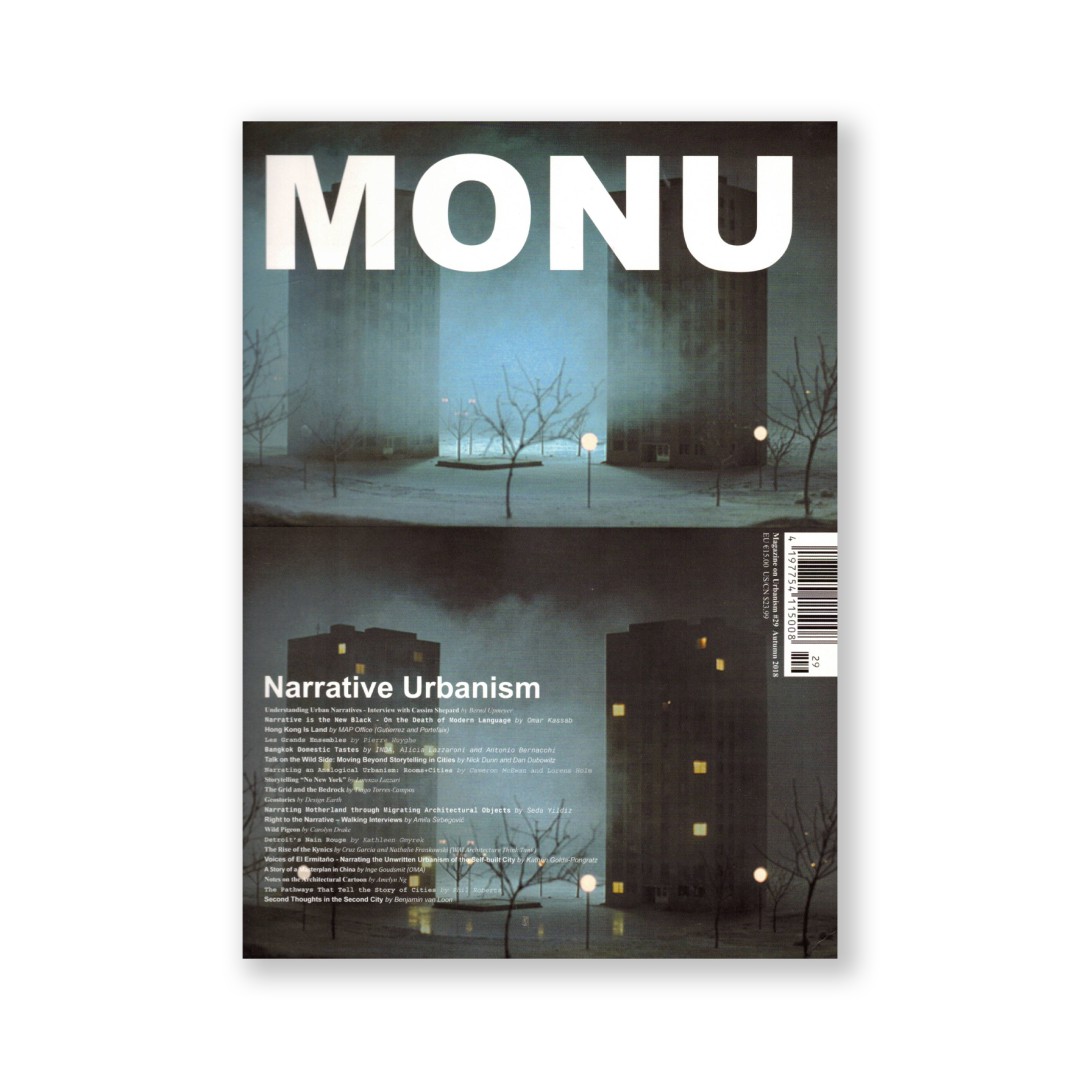
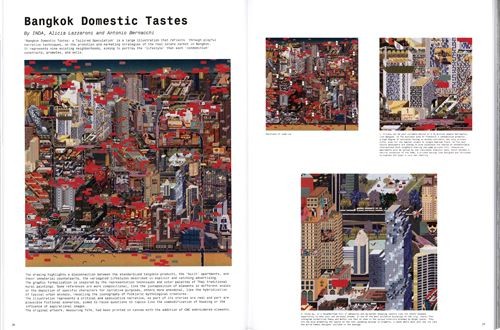
This issue opens with an interview with Cassim Shepard in which he talks about creating a better general culture of understanding around architecture, urban design, and urban development issues by using all of the narrative tools we have at our disposal. For instance, collective walks through lost parts of cities, as suggested by Nick Dunn and Dan Dubowitz, or by observing people’s stories and involving them in creative processes, depicted in Carolyn Drake’s photo-essay. This can even change the urban dynamics, says Kathleen Gmyrek, thereby leading to participatory narratives, while OMA’s Inge Goudsmit reminds us that architects are great storytellers, too.
více informací ...
s DPH
MONU magazine is picking up on what they coined 'Unfinished Urbanism' to explore current urban realities, defined by flaws, imperfections, and failures. Opening the discussion is an interview with Mark Wigley, paving the way for the issue's discussion on unfinishedness, its great potential and possible shortcomings, embedded with a wide range of case study articles, representing stories, narratives, and examples beyond the dominating Eurocentric urban sphere. Critically reflecting on the static notion of architecture, Wigley is advocating against a reality that is defined through stability and completeness. His interest is precisely in unfinished realities, as they are opening up a space for creativity and flexibility to respond and accommodate the ever-changing nature of cities and contemporary urban realities. This understanding of unfinishedness as a necessity to respond to contemporary urban challenges runs as a read thread throughout the magazine. Unfinishedness is understood as crucial, as seemingly the only way to deal with the unpredictable nature that cities are facing today and surely will face in the future.